The activity was implemented under the project “Community Empowerment through Inclusive Land Governance
Legal Protection, and Sustainable Livelihoods in Port Loko and Bombali Districts,” with funding support from Bread for the World. The project is being implemented in Sierra Leone’s Northern Region, specifically Bombali District, and the Northwest Region, specifically Port Loko District. It seeks to empower customary landowners, land users, women, youth, farmers and other community stakeholders through legal literacy, community-based legal support, inclusive dialogue and advocacy around land governance, the right to food and sustainable livelihoods.
Reaching 20 Project Communities
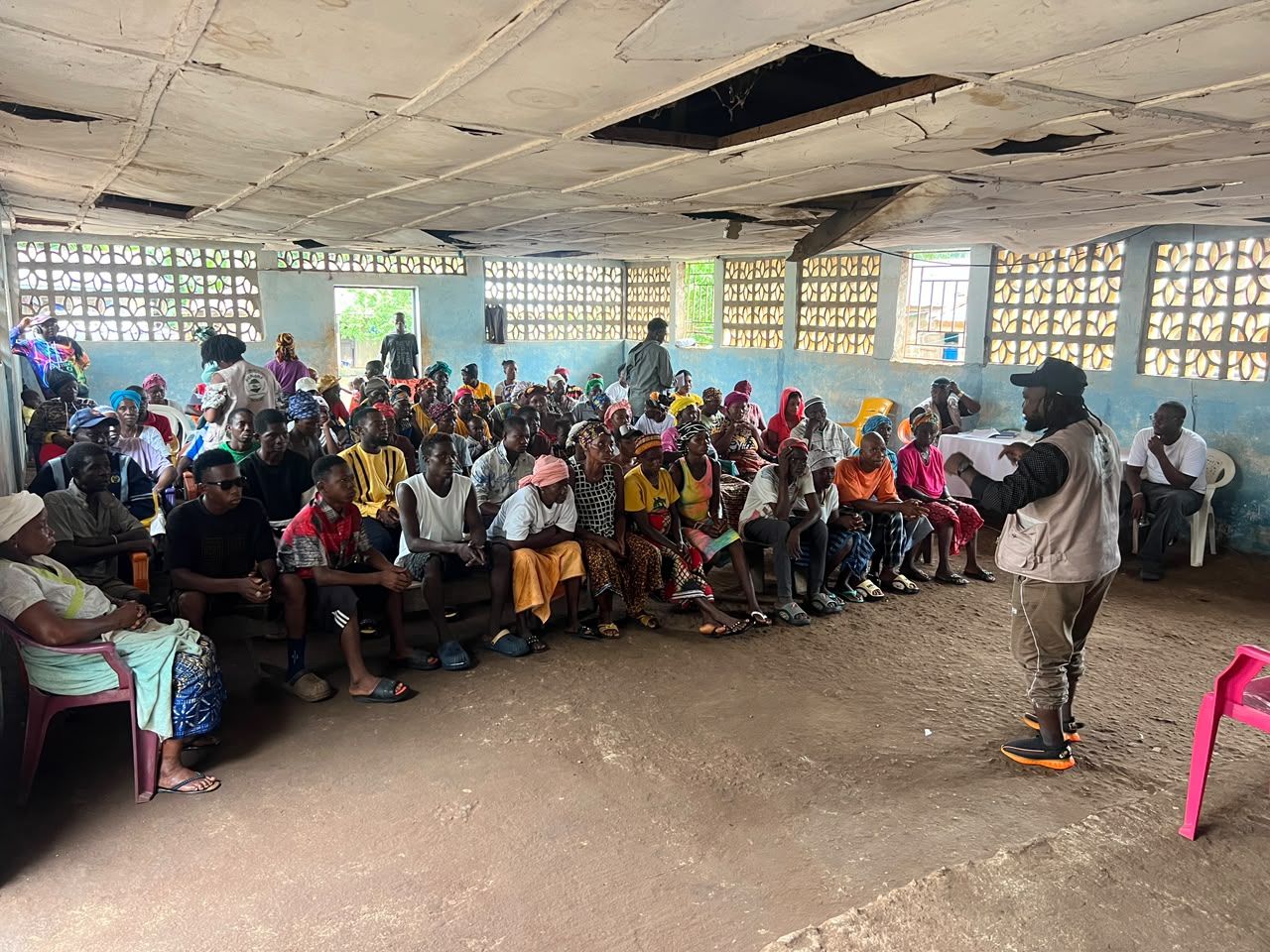
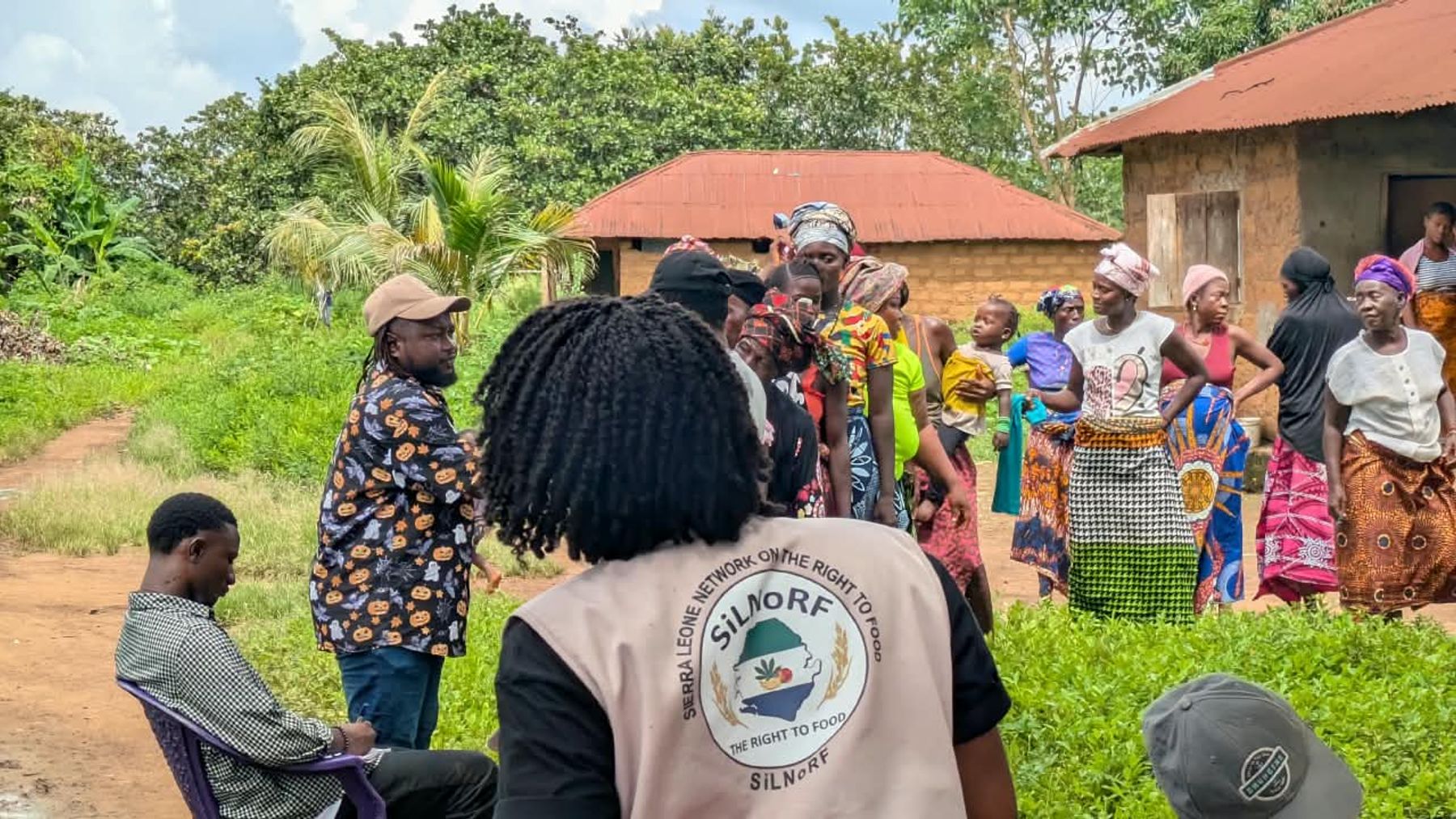
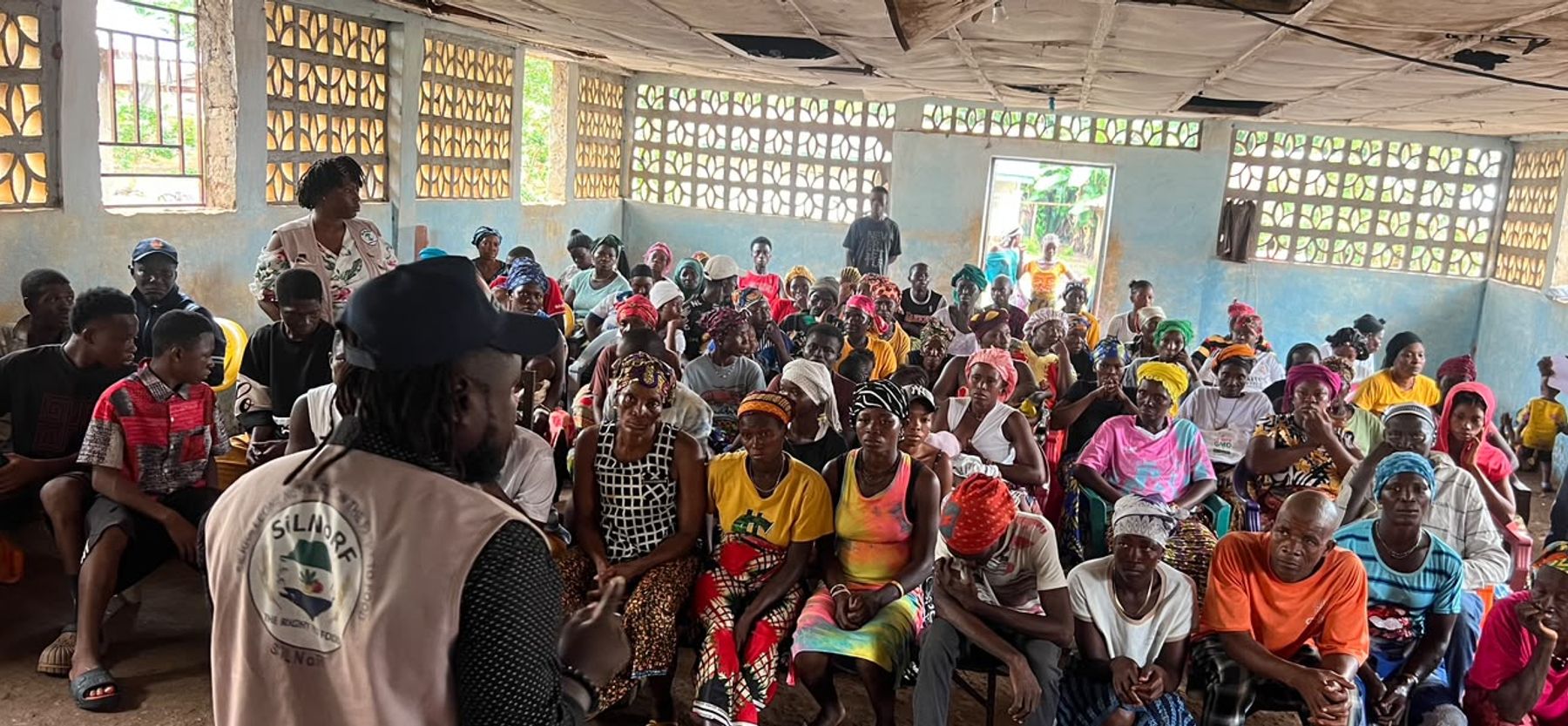
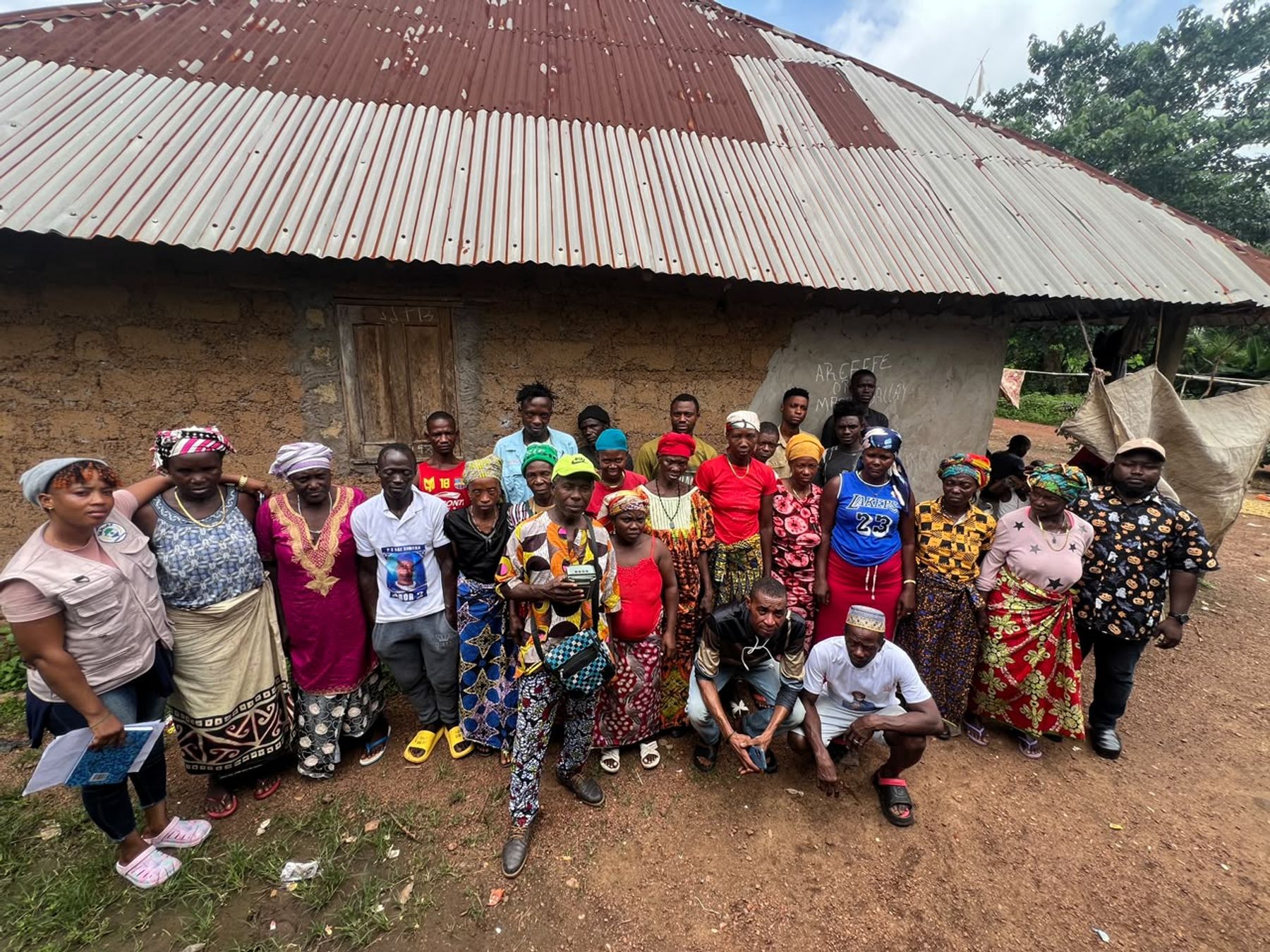
The community sensitisation exercise covered 15 communities in Port Loko District and five communities in Bombali District, bringing the total to 20 project communities. In Port Loko District, the engagements were conducted in communities within Bureh, Kasseh, Bakeh Loko and Maconteh Chiefdoms, while in Bombali District the activity covered communities in Makarie and Mara Chiefdoms. The meetings marked an important community-entry stage of the project. They created opportunities for SiLNoRF to formally introduce the intervention, explain its objectives and implementation approach, listen to community perspectives and strengthen local ownership of the project.
Why the Community Sensitisation Matters
Land and natural resources remain central to the livelihoods, food security, income and social identity of many rural communities in Sierra Leone. At the same time, increased interest in large-scale agriculture, forestry, carbon investments and other natural-resource activities can create both opportunities and risks for customary landowners and land users. For communities to engage meaningfully in decisions affecting their land, they require access to clear and practical information about their rights, responsibilities, legal protections and the processes through which land-related decisions should be made. The sensitisation exercise therefore responded to identified gaps in community knowledge of Sierra Leone’s land laws and sought to strengthen the ability of communities to understand, exercise and protect their land and natural-resource rights.
Bringing Sierra Leone’s Land Laws Closer to Communities
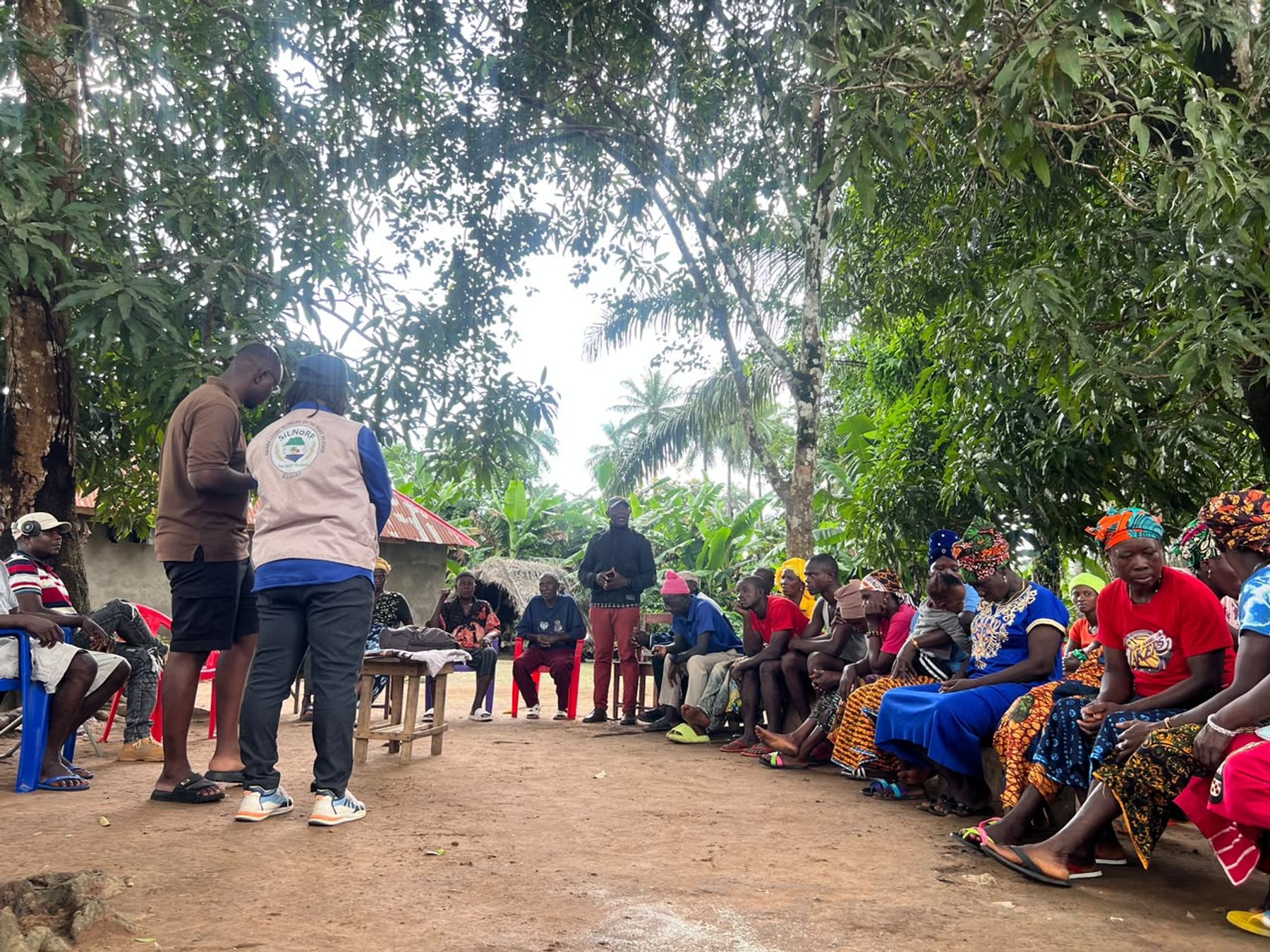
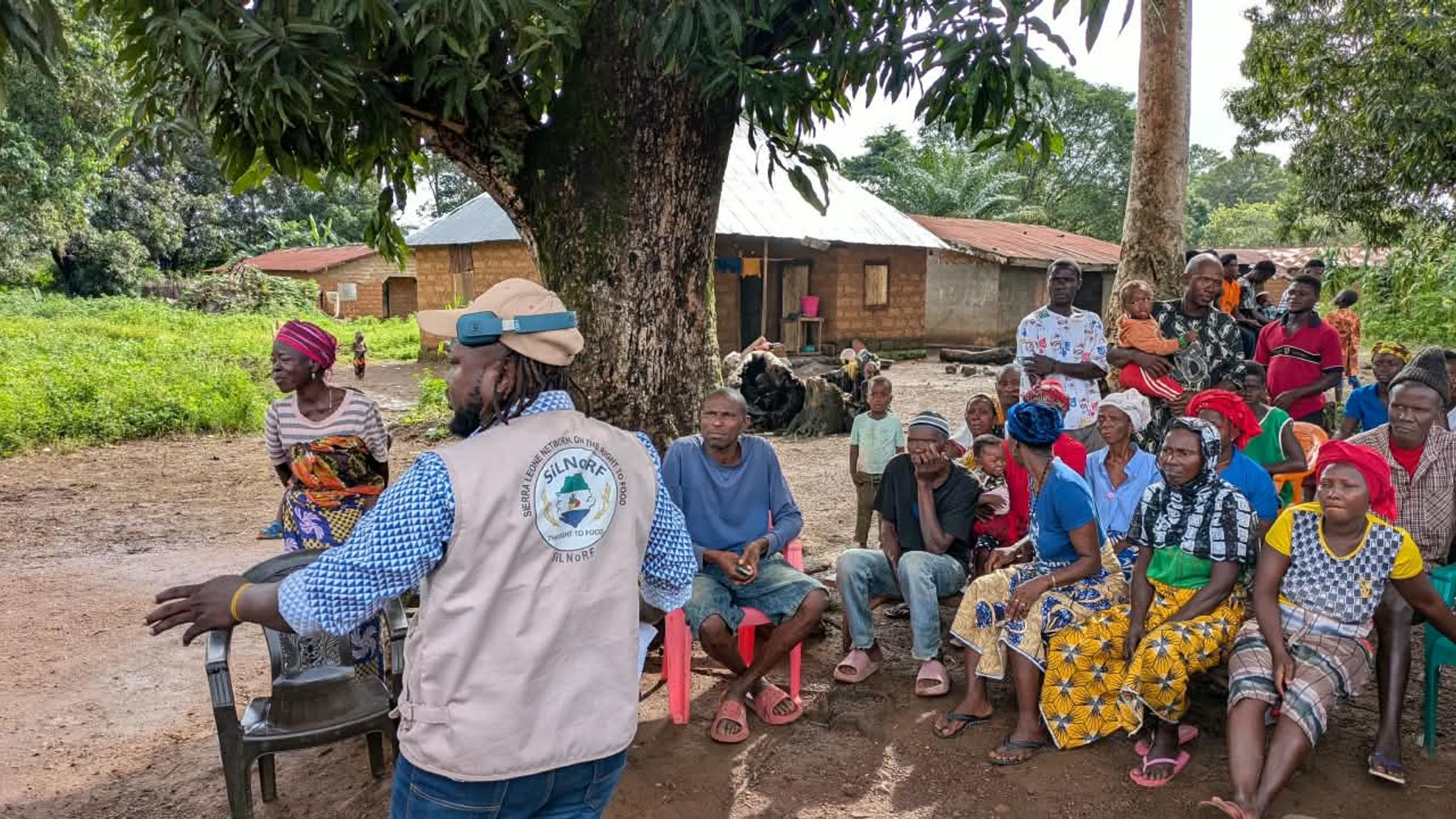
A major focus of the meetings was helping communities better understand the Customary Land Rights Act, 2022 and the National Land Commission Act, 2022. The engagements translated important provisions of the laws into practical and accessible discussions that community members could relate to their daily experiences. The sensitisation covered issues including customary land rights and responsibilities, the right to food, responsible land governance, women’s land rights, inclusive community participation, land negotiations and decision-making, benefit-sharing, grievance mechanisms, dispute prevention, sustainable natural-resource management, and safeguards relevant to large-scale land-based and carbon investments.
Particular attention was given to ensuring that women, youth, customary landowners, land users, traditional authorities, farmers and other community stakeholders understood their roles and rights within land and natural-resource governance processes.
Approximately 800 Community Members Reached
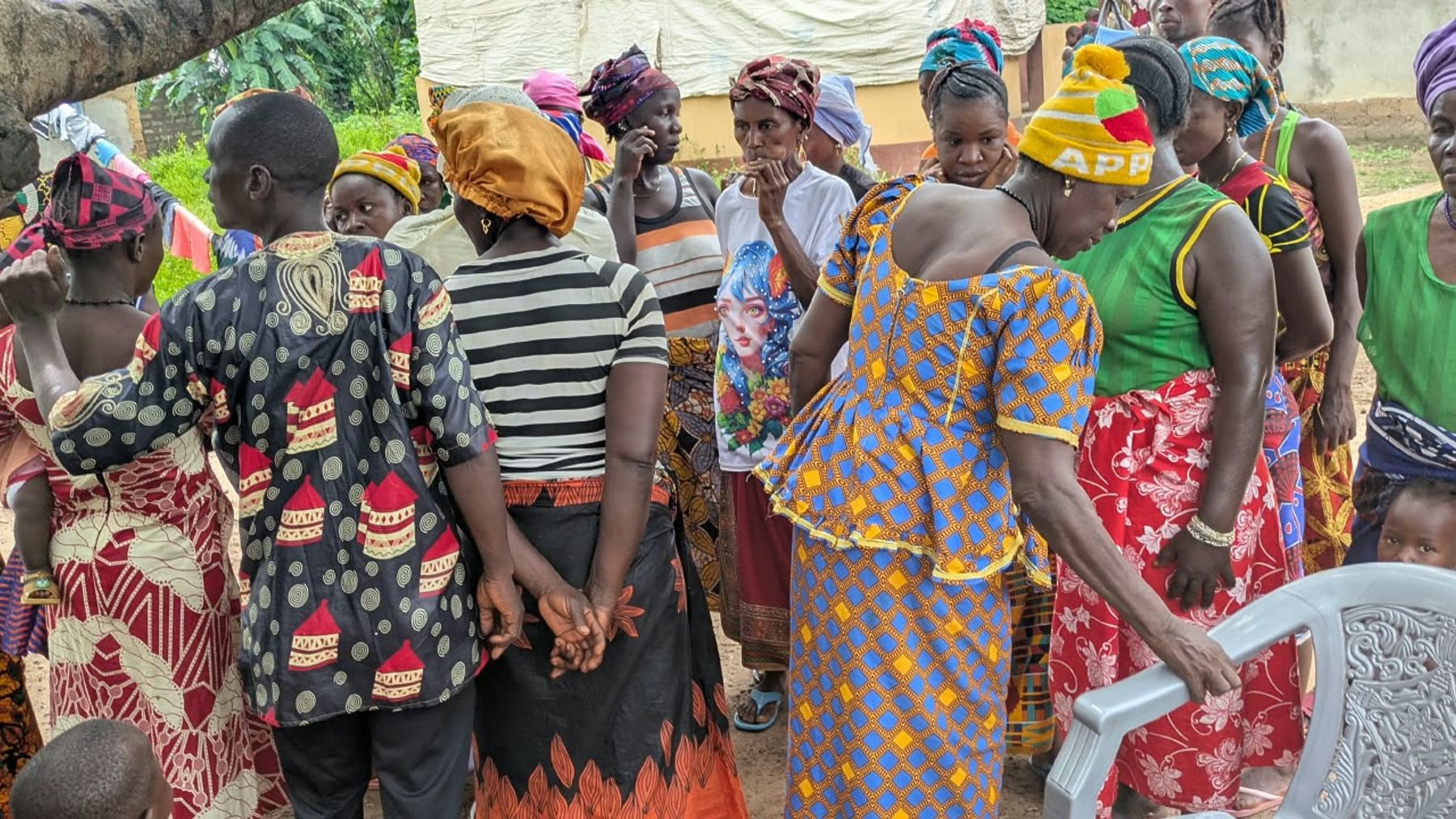
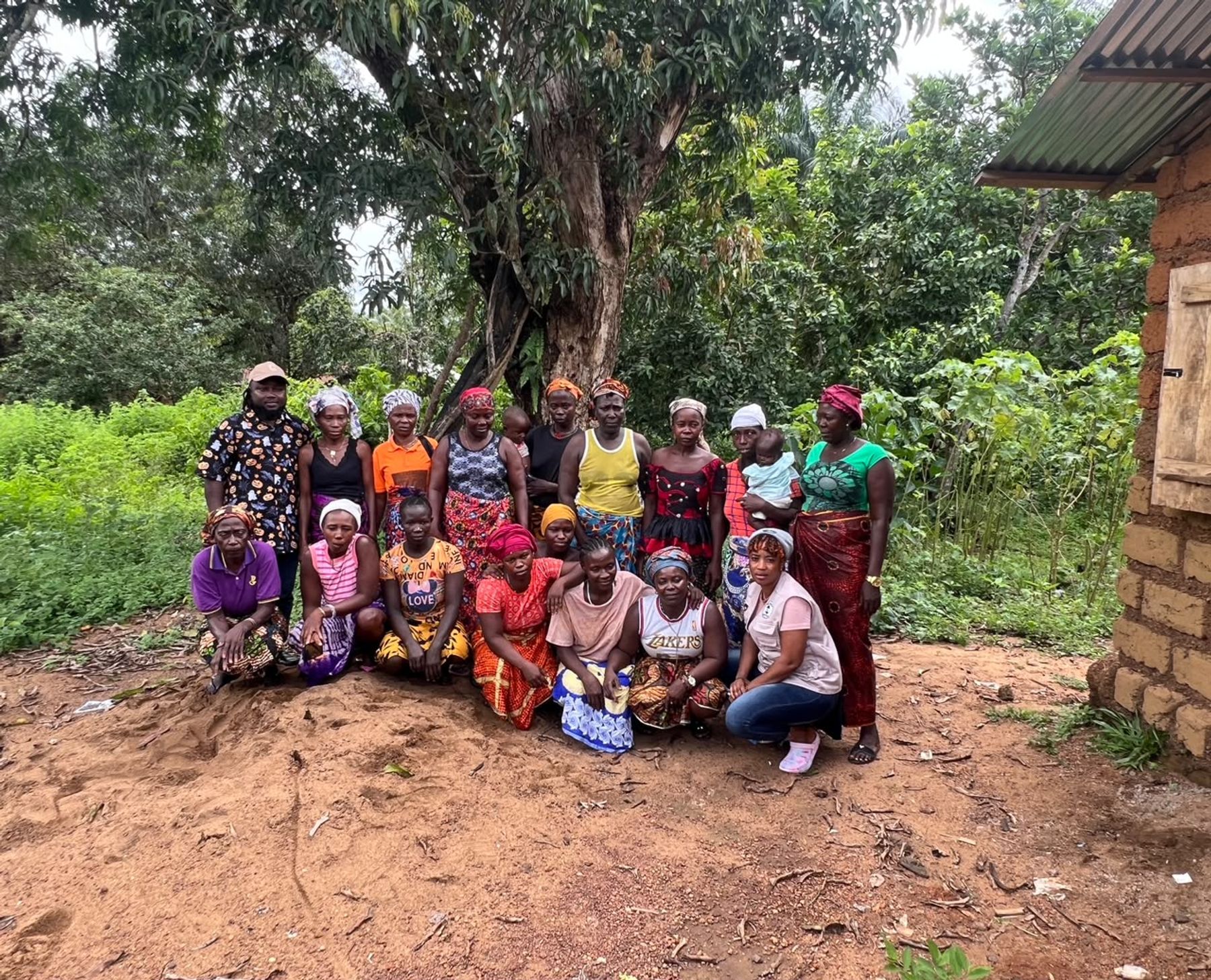
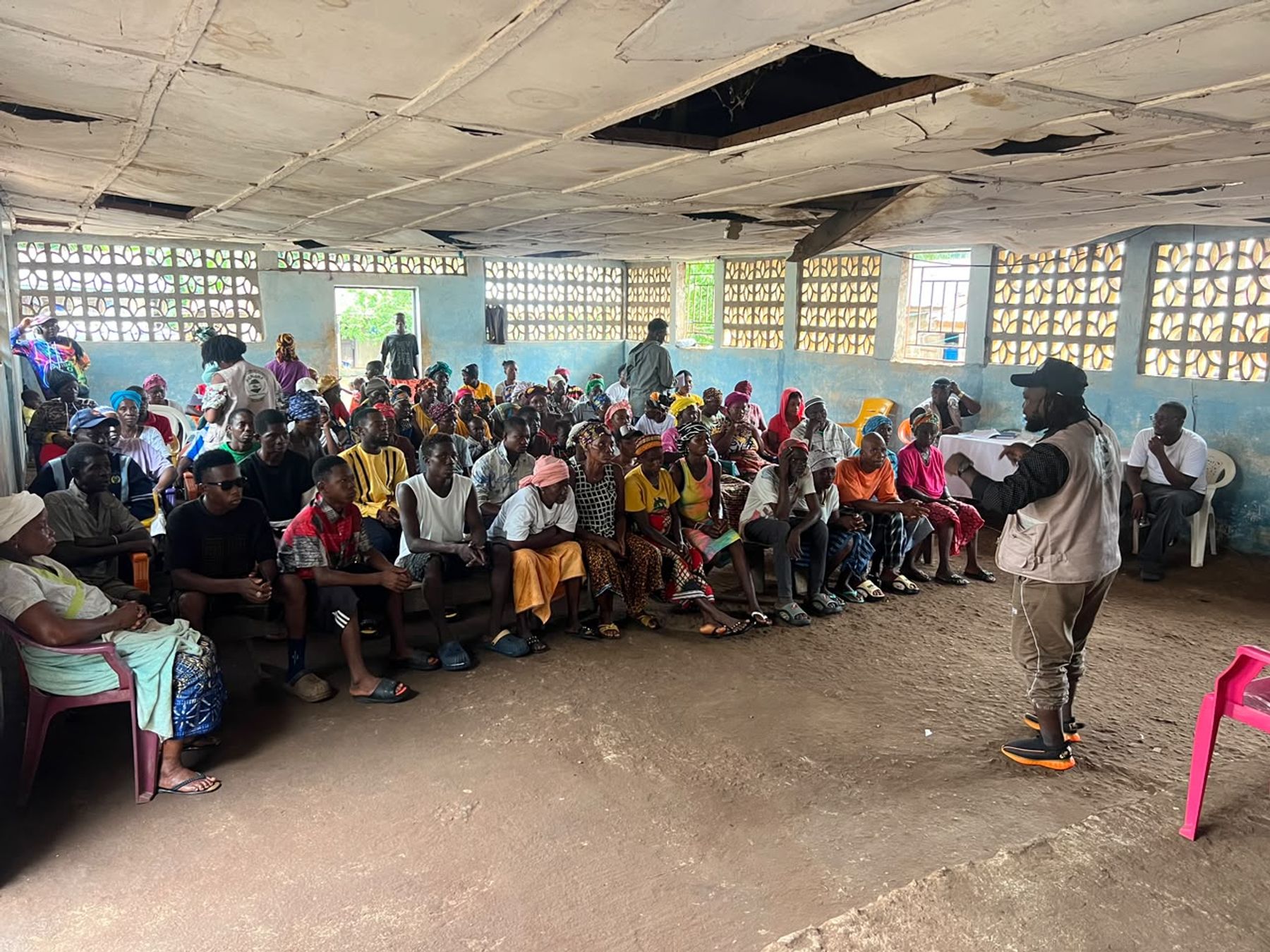
Across the 20 communities, the sensitisation meetings reached approximately 800 community members, based on an average participation of 40 people per meeting. Participants included customary landowners, land users, traditional authorities, women leaders, youth representatives, farmers and other relevant community stakeholders. To make the engagements inclusive and accessible, facilitators used participatory approaches, including presentations in relevant local languages, practical examples, question-and-answer sessions, group discussions and experience sharing. Before the meetings, SiLNoRF also engaged traditional authorities and community representatives to support community mobilisation and encourage inclusive participation.
This approach allowed community members not only to receive information but also to raise concerns, ask questions, share experiences and discuss land and natural-resource challenges affecting their communities.
Strengthening Community-Based Access to Justice
An important component of the exercise was the identification of potential Community Paralegals who will strengthen access to basic legal information and community-level support. A total of 40 prospective Community Paralegals 20 women and 20 men were identified from the 20 target communities, with one woman and one man selected from each community for subsequent training. Once trained, the Community Paralegals are expected to help provide basic legal information, identify and document emerging land-related concerns, facilitate appropriate referrals and strengthen connections between communities, SiLNoRF and relevant institutions.
The establishment of this community-level legal support structure is intended to improve access to justice and create an early-response mechanism for land-related grievances and potential rights violations.
Building Stronger Community Structures and Livelihood Platforms
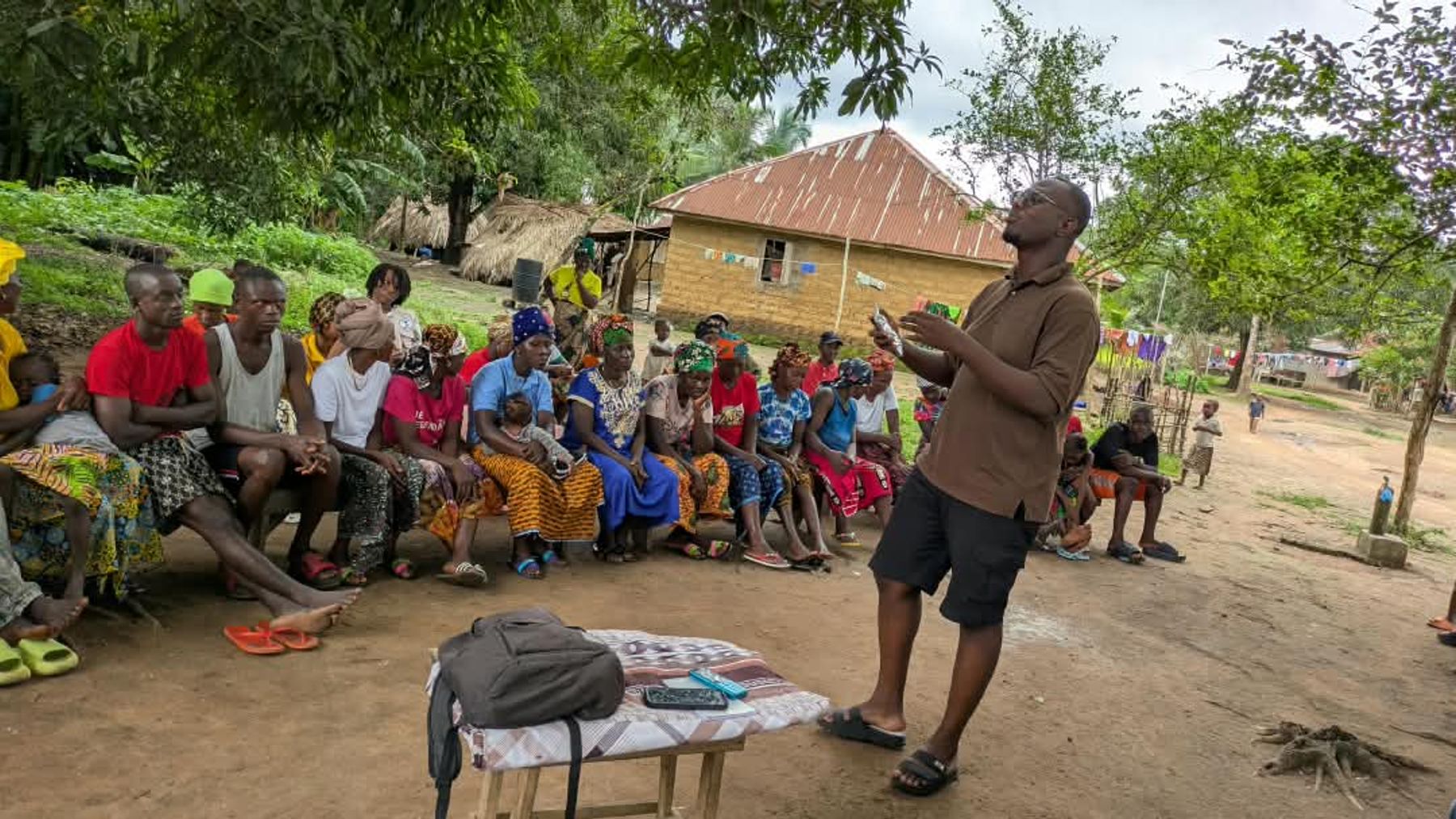
Beyond legal awareness, the meetings also supported community organisation around livelihoods, collective action and economic resilience. As part of the broader intervention, Farmer-Based Organisations (FBOs), Village Savings and Loan Associations (VSLAs), and Women Vegetable Growers groups were established in 10 project communities in Port Loko District. These community structures are expected to complement SiLNoRF’s legal empowerment work by strengthening collective action, household livelihood resilience, women’s economic participation and stronger community organisation. Particular attention is being placed on women’s meaningful participation and leadership in land and natural-resource governance processes.
Strengthening Participation, Rights Awareness and Community Voice
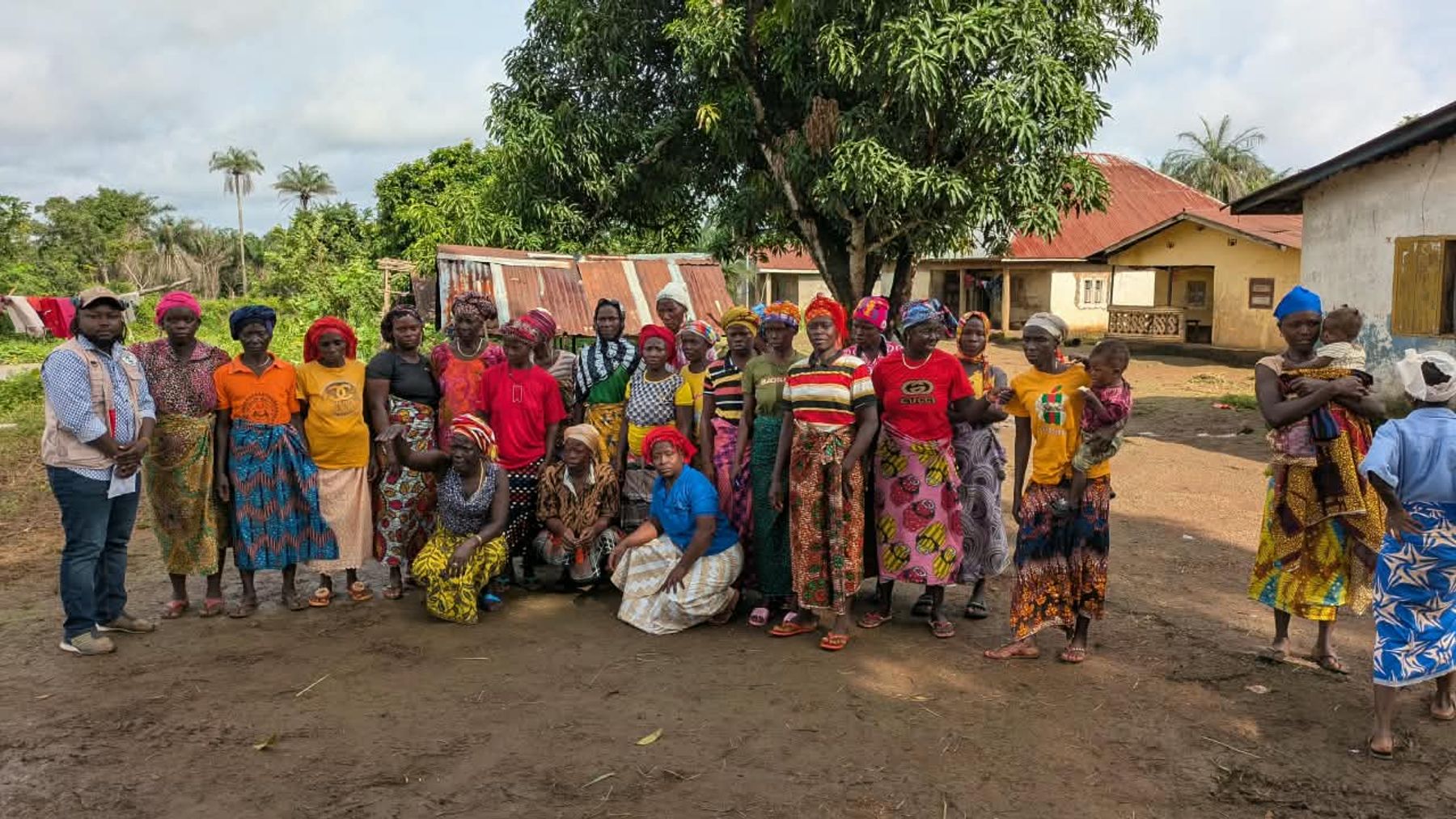
At the conclusion of the sensitisation exercise, communities had increased exposure to information on Sierra Leone’s land governance framework, the right to food and sustainable natural-resource management. The activity strengthened understanding of land rights and responsibilities among women, youth, landowners, land users and other stakeholders, while creating greater awareness of mechanisms for preventing and responding to land-related disputes and rights violations. It also strengthened community participation in land governance and natural-resource decision-making and improved linkages between participating communities and SiLNoRF’s community legal support structures.
The intervention further laid a foundation for communities to engage more confidently and meaningfully in decisions affecting customary land and natural resources.Through improved knowledge of their rights and responsibilities, communities are better positioned to ask informed questions, participate in negotiations, raise concerns, demand accountability and engage investors and public authorities through more transparent and inclusive processes.
Moving from Awareness to Community Empowerment
For SiLNoRF, the completion of this first round of community sensitisation represents more than the delivery of awareness sessions. It marks an important step towards building communities that are better informed, better organised and increasingly capable of protecting their land, livelihoods and natural resources. Through continued legal literacy, Community Paralegal training, engagement with community structures, multi-stakeholder dialogue and advocacy, the project will continue working to strengthen inclusive land governance, peaceful resolution of land-related disputes, sustainable land management and community-level access to justice.
The broader objective remains to ensure that customary landowners and land users particularly women, youth and other groups whose voices may not always be sufficiently represented can participate meaningfully in decisions affecting their land and livelihoods. By linking legal empowerment with sustainable livelihoods and stronger community institutions, SiLNoRF continues to advance its commitment to responsible land governance, the protection of community rights and the realization of the right to food in Sierra Leone.
No approved comments yet. Be the first to respond.