SiLNoRF and WellFound Strengthen the Capacity of CSOs, Journalists, MDAs, Community Leaders and Project Staff on Sierra Leone’s Customary Land Rights Act, 2022, National Land Commission Act, 2022, and Inclusive Land Governance Through Two-Day Training in Moyamba
The Sierra Leone Network on the Right to Food (SiLNoRF), in collaboration with WellFound Sierra Leone and in partnership with Welthungerhilfe (WHH), organised a two-day capacity-building training on the Customary Land Rights Act, 2022 and the National Land Commission Act, 2022, aimed at promoting responsible, transparent and inclusive land governance in Sierra Leone. The training was conducted under the project “Increasing Agricultural Productivity to Reduce Hunger Among the Poor Rural Population in Moyamba District,” supported by WHH with funding from the German Federal Ministry for Economic Cooperation and Development (BMZ).
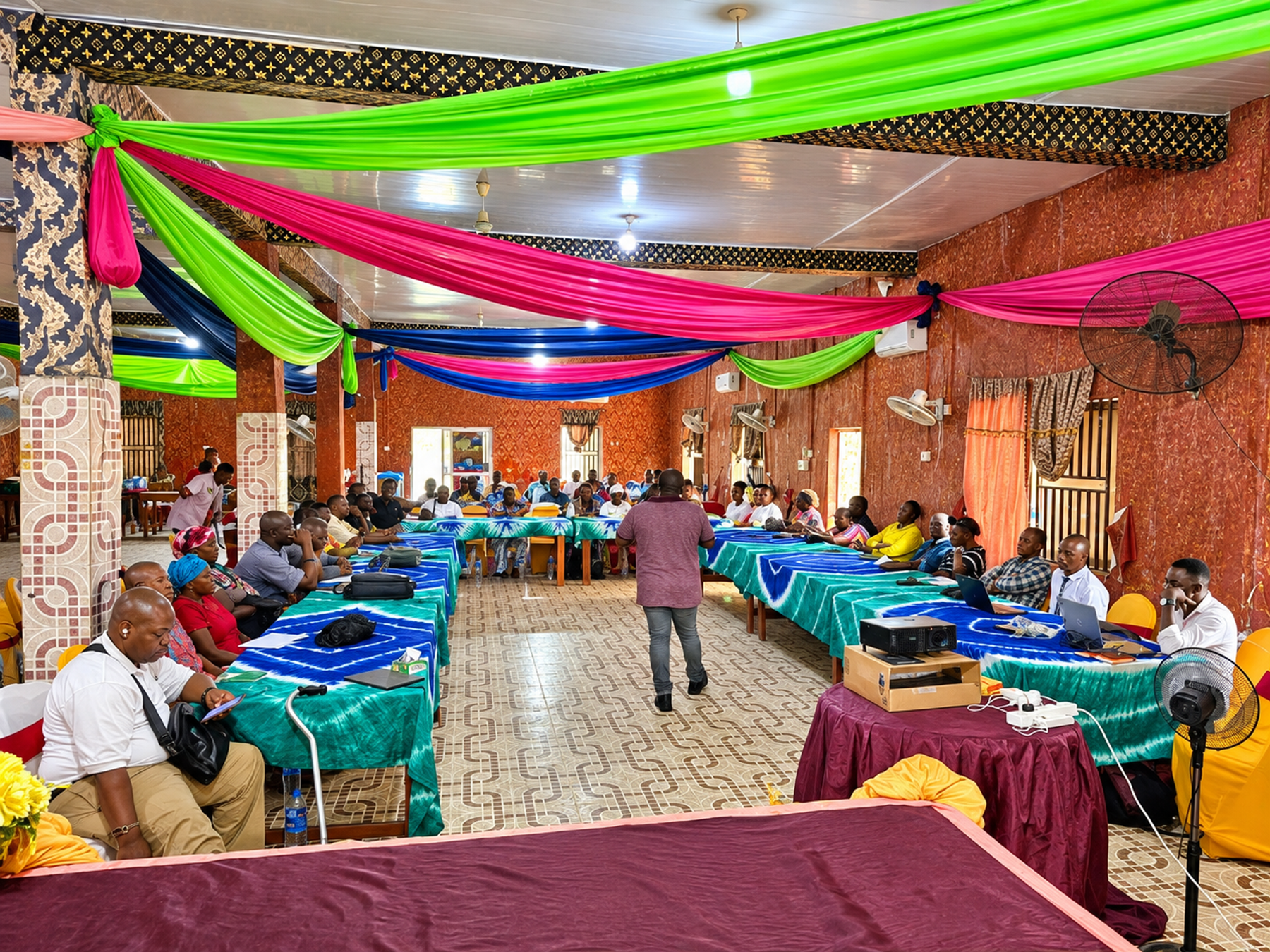
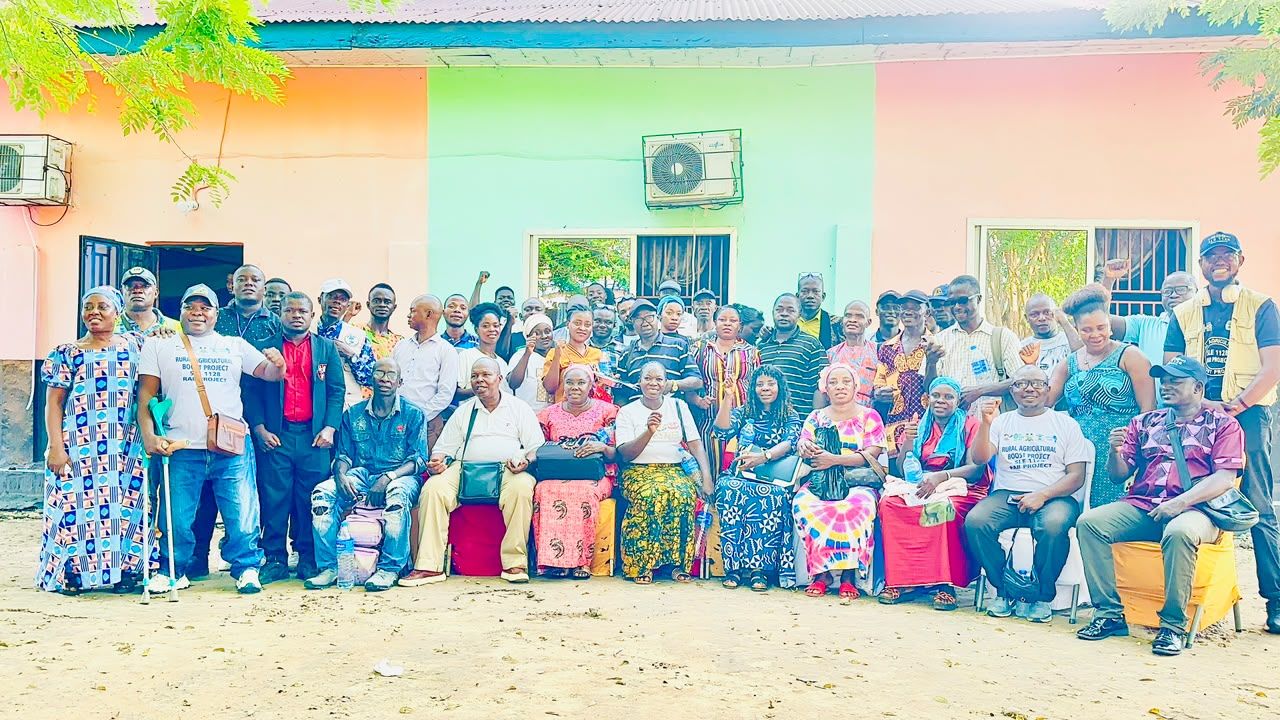
Held in Moyamba Town, the training brought together representatives from Civil Society Organisations (CSOs), journalists, Ministries, Departments and Agencies (MDAs), community leaders, and project staff from SiLNoRF and WellFound. The initiative sought to strengthen participants' understanding of Sierra Leone's land governance framework, empower communities to exercise their legal rights, and promote equitable access to land, particularly for women, smallholder farmers and vulnerable groups.
Day One: Understanding Customary Land Rights and Inclusive Land Governance
The first day focused on the historical development of land governance in Sierra Leone, the legal recognition of customary land ownership, women's land rights, community participation, and safeguards for responsible land-based investments.
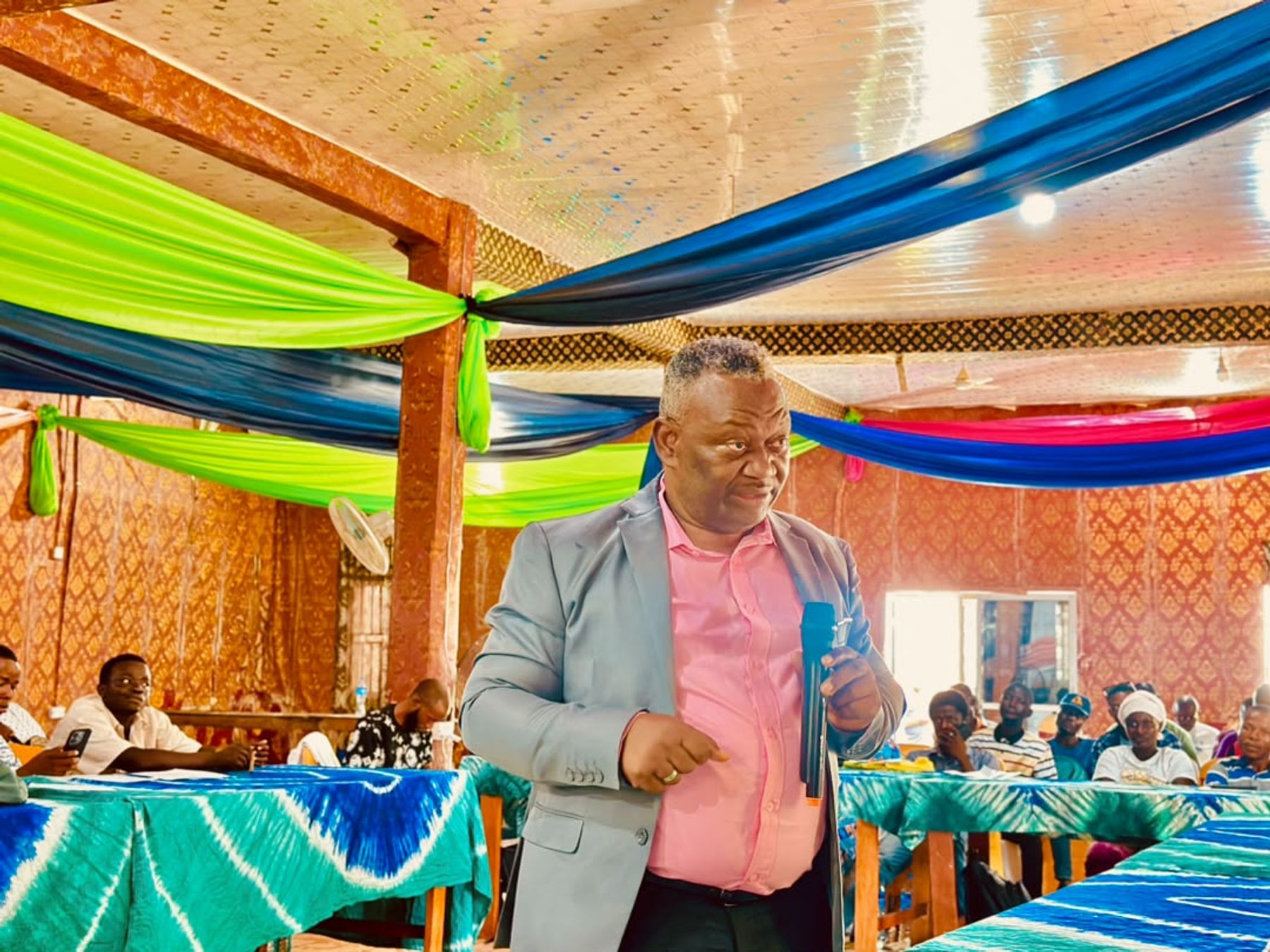
Mr. Lansana Sowa, Head of Programs at SiLNoRF, facilitated the opening technical session, providing a comprehensive overview of land governance in Sierra Leone. His presentation examined the historical context of land administration, the National Land Policy, customary land tenure systems, and the introduction of the Customary Land Rights Act, 2022. The session highlighted the importance of understanding Sierra Leone's evolving land governance framework and the role of legal reforms in addressing longstanding challenges relating to land ownership, administration, access and community participation.
Mr. John I. Kargbo facilitated sessions on women's land rights and the protection of vulnerable groups, emphasising equal participation, inheritance rights, access to land and legal safeguards against discrimination. He further explored key provisions of the Customary Land Rights Act, 2022, focusing on the recognition of customary land ownership, land use, administration, and the protection of individual, family and community land rights. The discussions reinforced the importance of ensuring that women and vulnerable groups are not excluded from land-related decisions and that customary practices are consistent with protections established under the law.
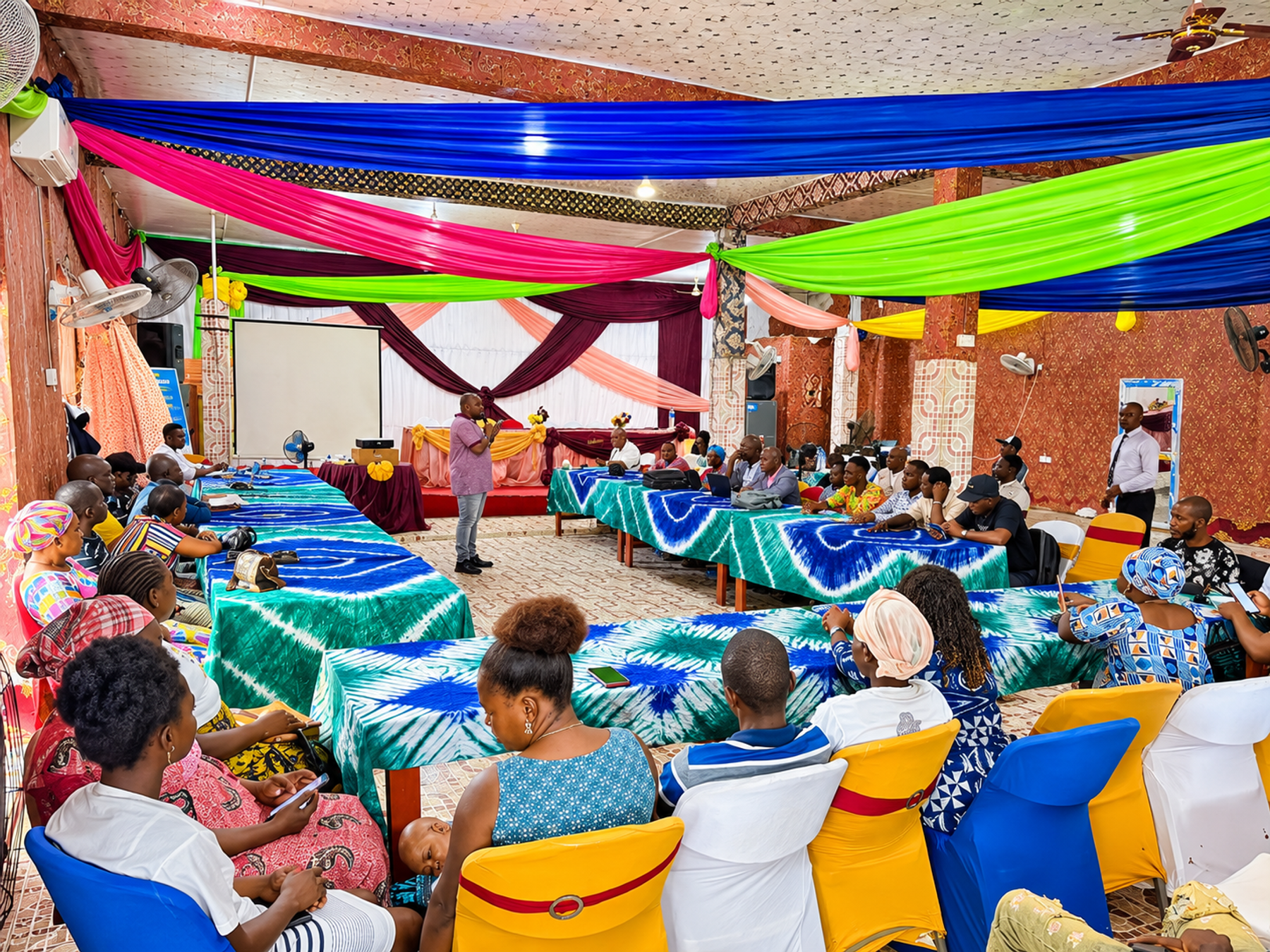
Mr. Mohamed A. S. Koroma, Southern Region Lands Commissioner, facilitated sessions on community participation, Free, Prior and Informed Consent (FPIC), transparency and accountability in land governance. His presentations examined the responsibilities of communities and relevant institutions in land-related decision-making, particularly concerning land-based investments. He also addressed responsible investment practices, including meaningful community consultation, negotiations, land agreements, benefit-sharing arrangements, and the protection of customary land rights. The sessions underscored the importance of ensuring that affected communities are adequately informed, meaningfully consulted and able to participate in decisions concerning their land and natural resources.
Promoting Community Empowerment and Responsible Land Governance
Through interactive presentations, practical discussions and experience-sharing, the training provided a platform for participants to deepen their understanding of the legal protections available to customary landowners and rural communities. Particular attention was given to the relationship between secure land tenure, agricultural productivity, food security and sustainable rural livelihoods. For smallholder farmers and rural communities, access to land and effective participation in land governance are essential to protecting livelihoods, strengthening agricultural investment and reducing vulnerability to land-related conflicts. The training also highlighted the importance of collaboration among government institutions, civil society, the media and community leaders in promoting public awareness and supporting the implementation of Sierra Leone's land laws.
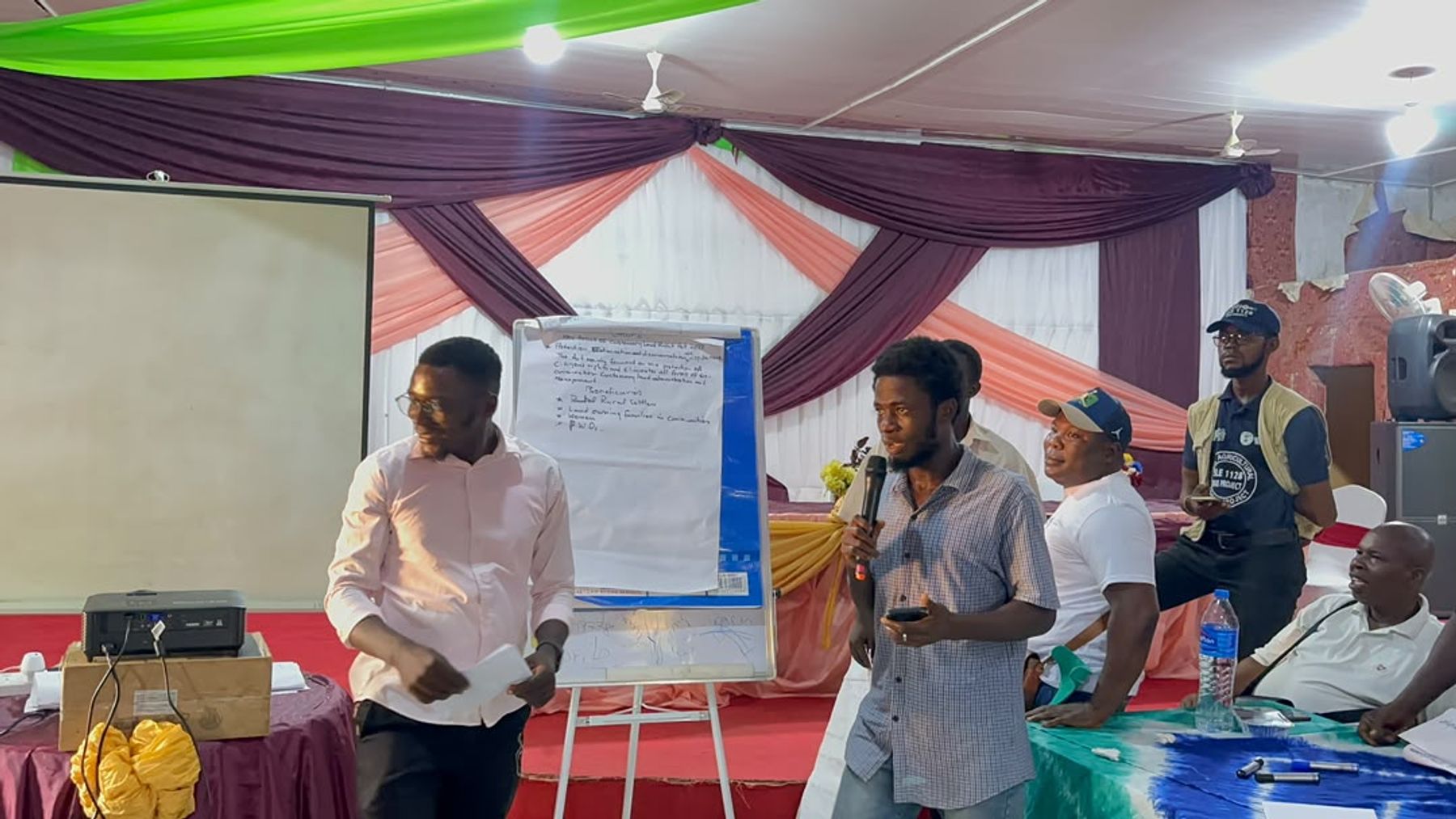
Strengthening Land Rights Awareness Under the RAB Project
The capacity-building initiative forms part of SiLNoRF and WellFound's broader efforts under the project “Increasing Agricultural Productivity to Reduce Hunger Among the Poor Rural Population in Moyamba District.” Implemented across Kargboro, Ribbi and Upper Banta Chiefdoms, the project seeks to improve agricultural productivity, strengthen rural livelihoods and promote responsible land governance. By strengthening the knowledge of journalists, CSOs, community leaders, relevant government institutions and project personnel, the training supports wider public education on land rights and the practical application of the Customary Land Rights Act and National Land Commission Act, 2022. SiLNoRF and WellFound remain committed to working with communities and institutional stakeholders to advance equitable land access, strengthen community participation and promote sustainable development.
Empowering Communities! Protecting Land Rights! Strengthening Food Security and Rural Livelihoods!
No approved comments yet. Be the first to respond.