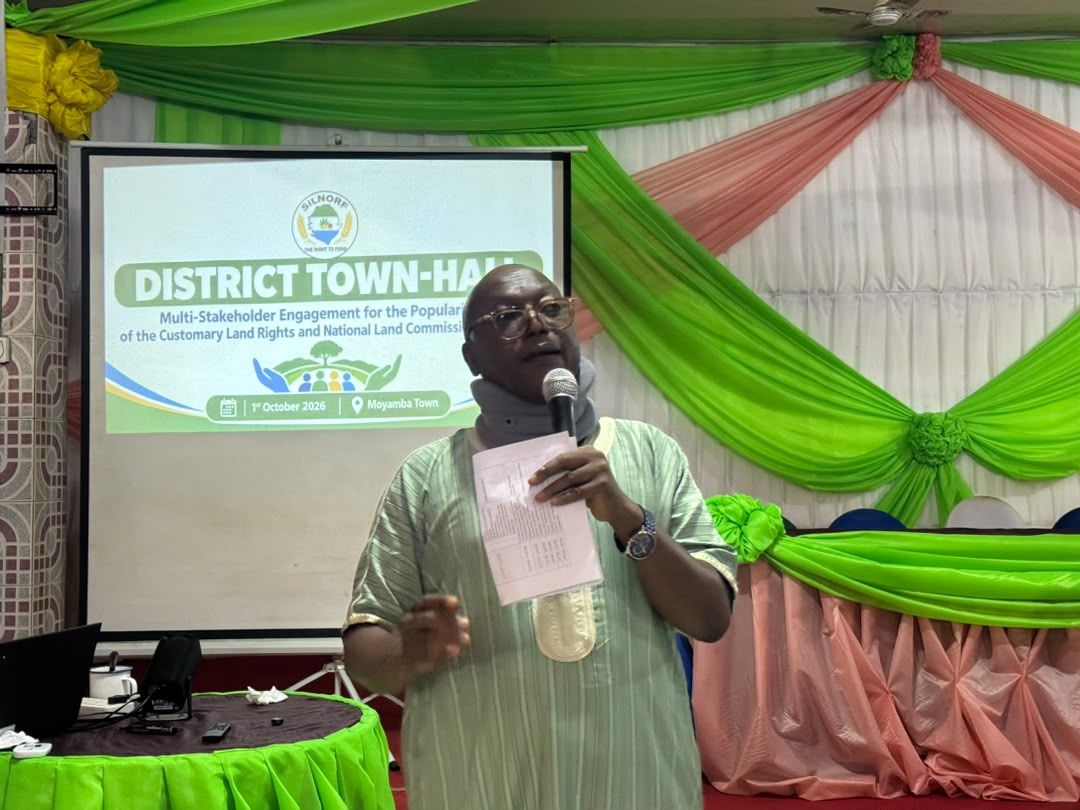
Moyamba, Sierra Leone 1 October 2026: The Sierra Leone Network on the Right to Food (SiLNoRF), in partnership with Well Found Sierra Leone, with support from Welthungerhilfe (WHH) and funding from the German Federal Ministry for Economic Cooperation and Development (BMZ), has concluded a one-day multi-stakeholder engagement in Moyamba District aimed at increasing public understanding of Sierra Leone’s Customary Land Rights Act, 2022 and National Land Commission Act, 2022.
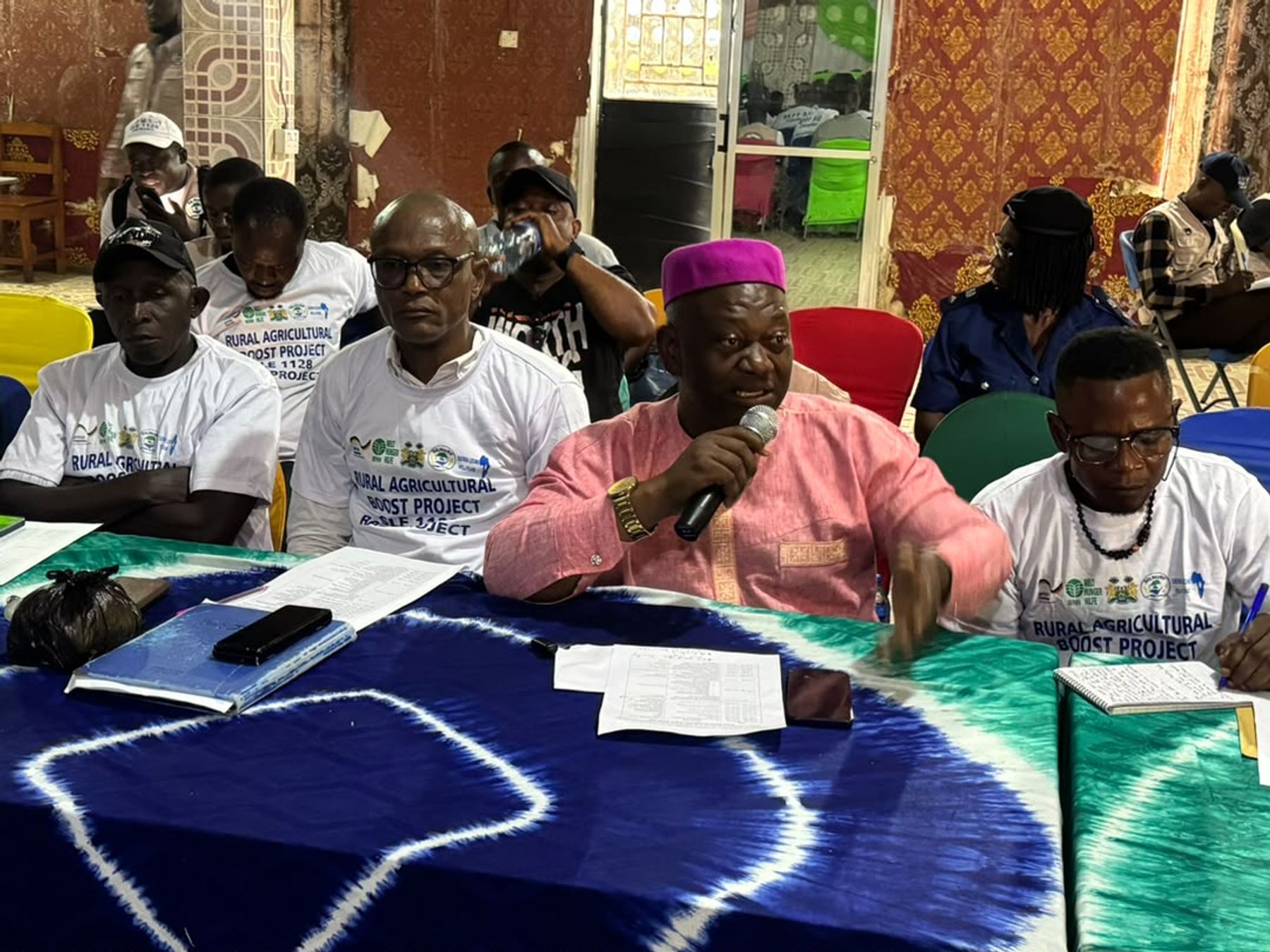
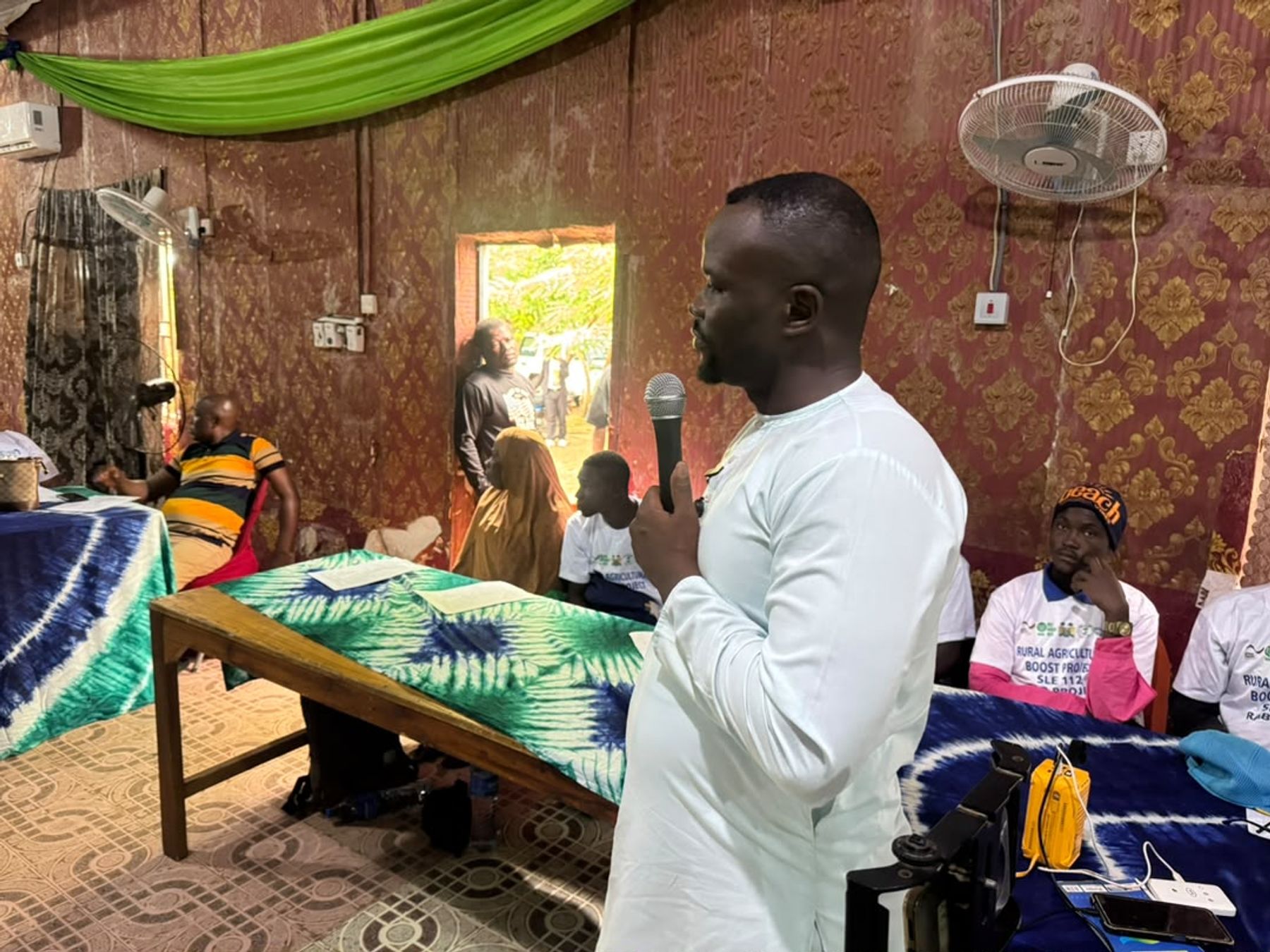
Held at the Jane Lahai Hall in Moyamba Town, the engagement brought together approximately 60 participants, including Paramount Chiefs, Chiefdom Speakers, representatives of the Moyamba District Council, government institutions, the National Land Commission, Office of National Security, Civil Society Organisations, community-based organisations, project communities, women and Vegetable Garden Groups, security stakeholders and the media. The meeting provided a platform for rights-holders and duty-bearers to engage directly on land governance, land rights, conflict prevention and the responsibilities established under Sierra Leone’s 2022 land legislation.
The two laws form an important part of Sierra Leone’s land governance framework. The National Land Commission Act, 2022 provides for the establishment of the National Land Commission, District Land Commissions and other land administrative bodies, while the Customary Land Rights Act, 2022 provides for the protection and management of land held under customary law and addresses discrimination under customary law. Both Acts were passed by Parliament in 2022 and subsequently published in the Sierra Leone Gazette.
For SiLNoRF and Well Found Sierra Leone, however, the importance of the legislation goes beyond its existence on paper. The engagement was designed to bring the law closer to communities, particularly people whose livelihoods depend directly on land for farming, food production and economic activity. It also sought to strengthen the ability of women, young people and other community members to understand and participate in decisions affecting customary land.
The engagement formed part of the organisations’ broader work to promote inclusive, accountable and sustainable land governance, recognising the close connection between land rights, agricultural production, livelihoods, food security and the right to food. For SiLNoRF, securing the right to food requires more than access to food; it also means addressing the structural issues that affect people's ability to produce food and sustain their livelihoods.
Opening the engagement, Dr. Mohamed A. S. Koroma, Commissioner of the National Land Commission for the Southern Region, thanked the organisers and participants for convening the meeting. He emphasised the importance of popularising the two land laws so that citizens and communities can better understand the legal framework governing land in Sierra Leone.
Giving an overview of the project, Mr. Abass J. Kamara, Deputy National Coordinator of SiLNoRF, explained the objectives and importance of the intervention. He noted that access to land and land disputes have remained significant concerns for communities and stressed the need for stakeholders to work collectively to prevent conflicts and strengthen peaceful land governance. His presentation placed the engagement within SiLNoRF’s wider rights-based approach, where land is viewed not simply as a physical asset but as a foundation for livelihoods, agricultural production, community development and food security.
The legal and practical dimensions of the engagement were further explored by Mr. Berns Komba, National Coordinator of Land for Life Sierra Leone, who facilitated the session introducing participants to the Customary Land Rights Act and National Land Commission Act, 2022. His presentation focused particularly on understanding the provisions of the laws and preventing the escalation of land-related conflicts. The session generated significant participation, with stakeholders raising questions, sharing experiences and reflecting on land challenges in their respective communities.
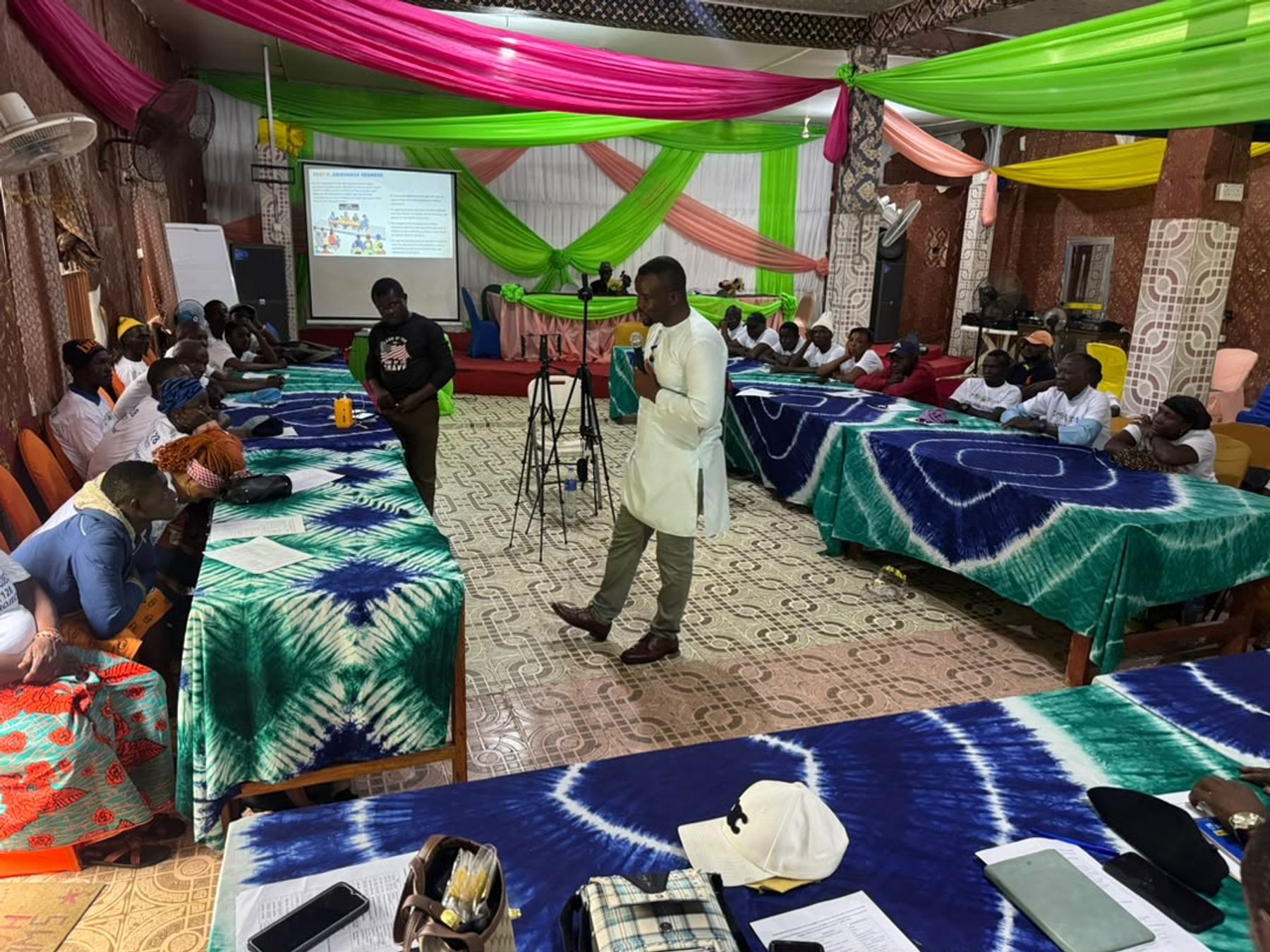
Mr. Raymond Senesie, Lawyer at SiLNoRF, thanked Mr. Komba for the facilitation and stressed the importance of peace in creating an environment where communities can farm and pursue development. Drawing on his professional experience, he shared an example of how a serious land dispute in Kono District had been resolved outside the formal court process and encouraged stakeholders to pursue peaceful avenues for resolving disputes where possible.
The discussion became particularly relevant when Abubakar Bangura, Chiefdom Speaker of Ribbi Chiefdom, spoke about a land dispute between Sunneh and Badbai communities, which he said had persisted for more than three decades. He appealed to stakeholders and development partners to support efforts to address the longstanding dispute.
Paramount Chief of Upper Banta, PC Jombla, also shared concerns relating to land conflict within his chiefdom, reinforcing the need for continued engagement between traditional authorities, communities, government institutions and civil society.
The experiences shared from different chiefdoms demonstrated why SiLNoRF and Well Found Sierra Leone are placing emphasis on dialogue and multi-stakeholder participation. Rather than treating land conflict solely as a legal or security issue, the engagement brought together the institutions and community actors who have a direct role in preventing disputes, resolving grievances and promoting peaceful coexistence.
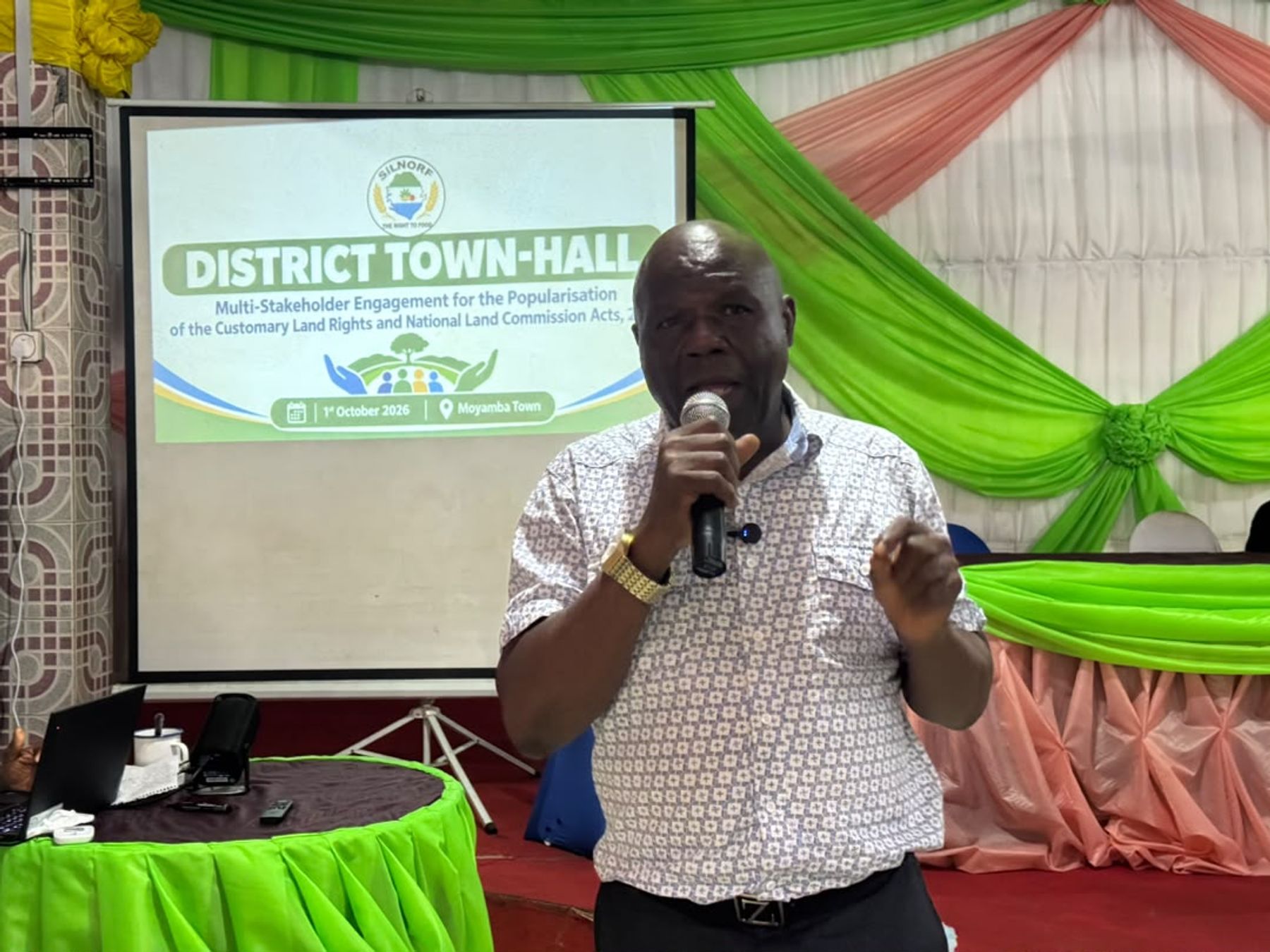
This was further underscored by Mr. Osman Samura, Senior District Officer, who thanked SiLNoRF, Well Found Sierra Leone and the participants for the initiative. He called for the State Counsel to be involved in future engagements to provide additional legal perspectives on the implementation of the Customary Land Rights Act.
Mr. Samura described the legislation as an important document that communities need to understand. He also welcomed the inclusion of participants from Ngeihun, Mokainesie and Modorgbor, communities associated with a land conflict that resulted in the loss of a life. He appealed to the affected communities to turn a new page and continue working towards peaceful coexistence.
Representing the Moyamba District Council, Mr. Isreal reaffirmed the Council’s responsibility to support lawful and peaceful development in the district. He acknowledged that disagreements can occur but stressed the importance of creating an environment where disputes can be peacefully settled and resolved.
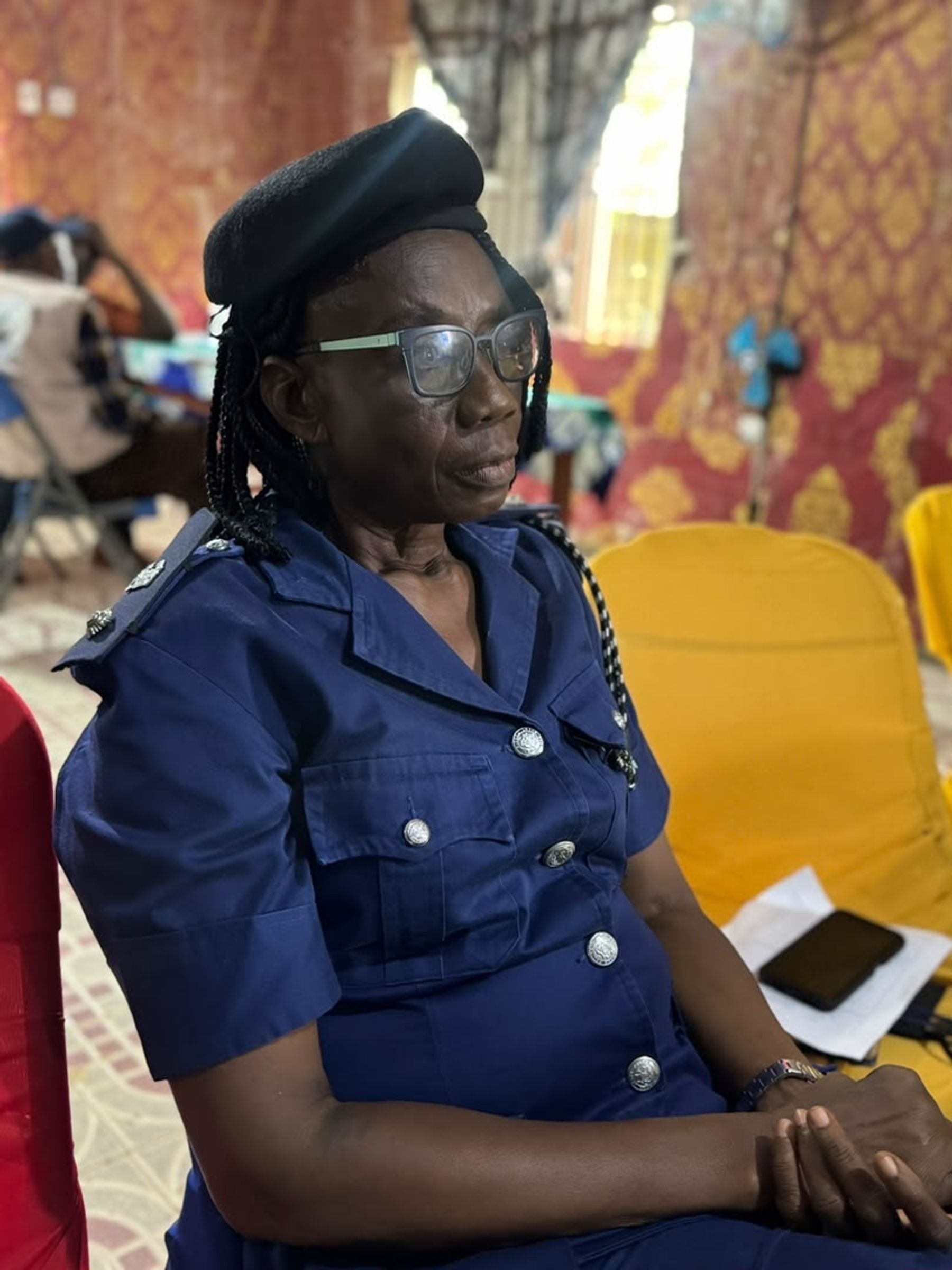
From the security perspective, Mr. Mohamed Sangari of the Office of National Security (ONS) reminded participants that peace cannot be left to the security sector alone. He emphasised the role of communities themselves in maintaining peace and appealed to residents of Mokainesie, Ngeihun and Modorgbor to see themselves as one people despite their differences.
The civil society sector also used the platform to highlight challenges within the justice system. Gerald A. Foday, Chairman of Civil Society Organisations in Moyamba, said prolonged land disputes remain a serious concern, noting that some cases can remain before local courts for 10 to 15 years. He observed that delays can have serious consequences, including the loss of witnesses before cases are concluded, and called for stronger and more responsive approaches to land-related cases.
The concerns raised during the meeting reflect the practical challenges that the 2022 land laws are intended to help address through clearer institutional responsibilities, community participation and improved land administration. The National Land Commission Act, for example, provides for Chiefdom Land Committees to manage communal chiefdom lands and includes provisions requiring at least 30 percent of members of a Chiefdom Land Committee to be women.
From Awareness to Participation and Accountability
A central value of the Moyamba engagement was its emphasis on participation rather than one-way sensitisation. Participants were given space to ask questions, share experiences and identify the land-related concerns affecting their communities.
The engagement also reinforced the importance of ensuring that women, youth and other groups who may face barriers in land governance have meaningful opportunities to participate in decisions affecting land access, use and management. This is particularly relevant to SiLNoRF’s work because many rural households depend on land for food production and livelihoods.
Through the multi-stakeholder platform, SiLNoRF and Well Found Sierra Leone are seeking to strengthen coordination between communities, traditional leaders, local councils, government institutions, civil society and other actors. The approach is intended to ensure that concerns raised at community level can be documented, referred to the appropriate institutions and followed up through continued engagement.
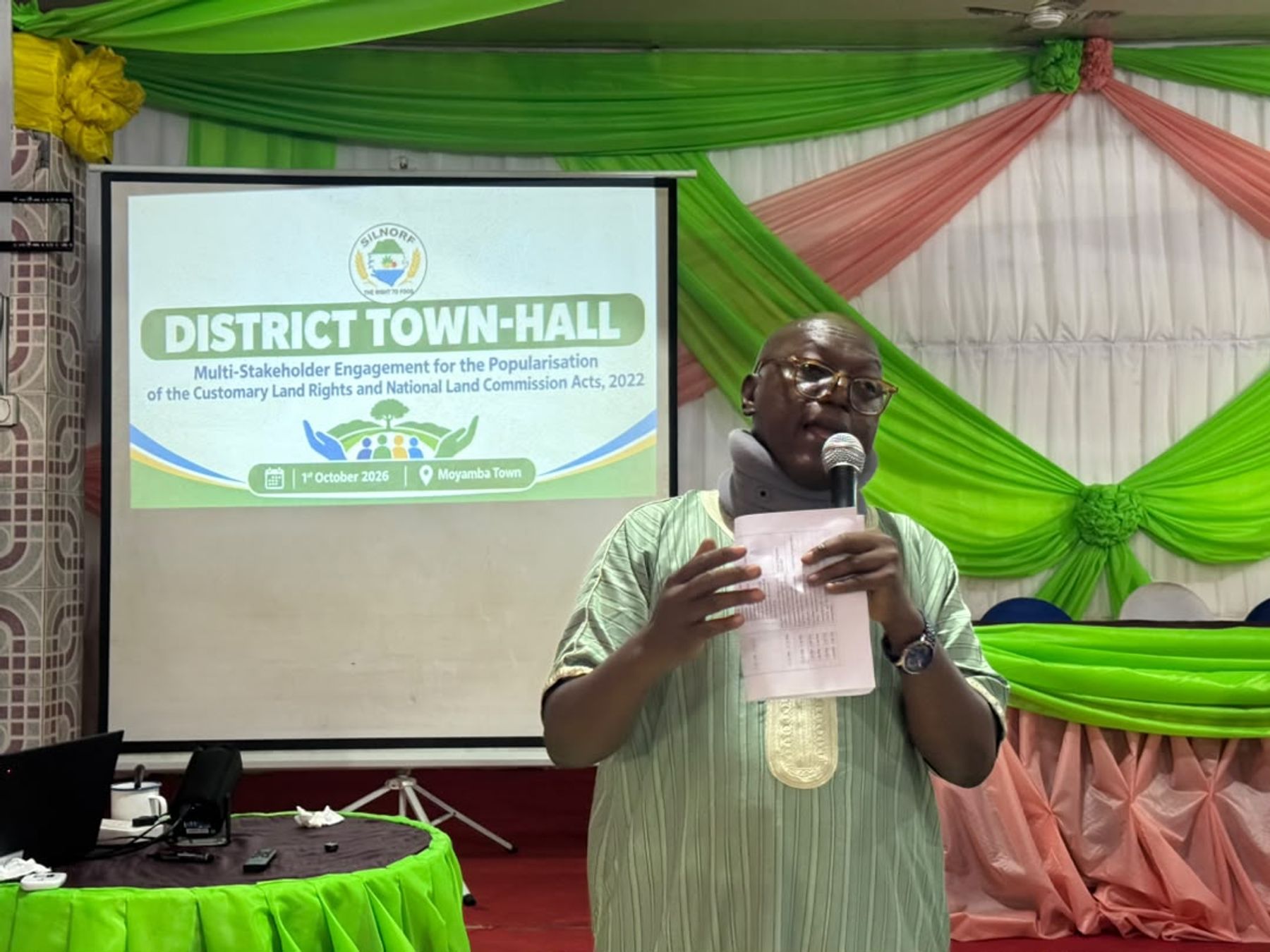
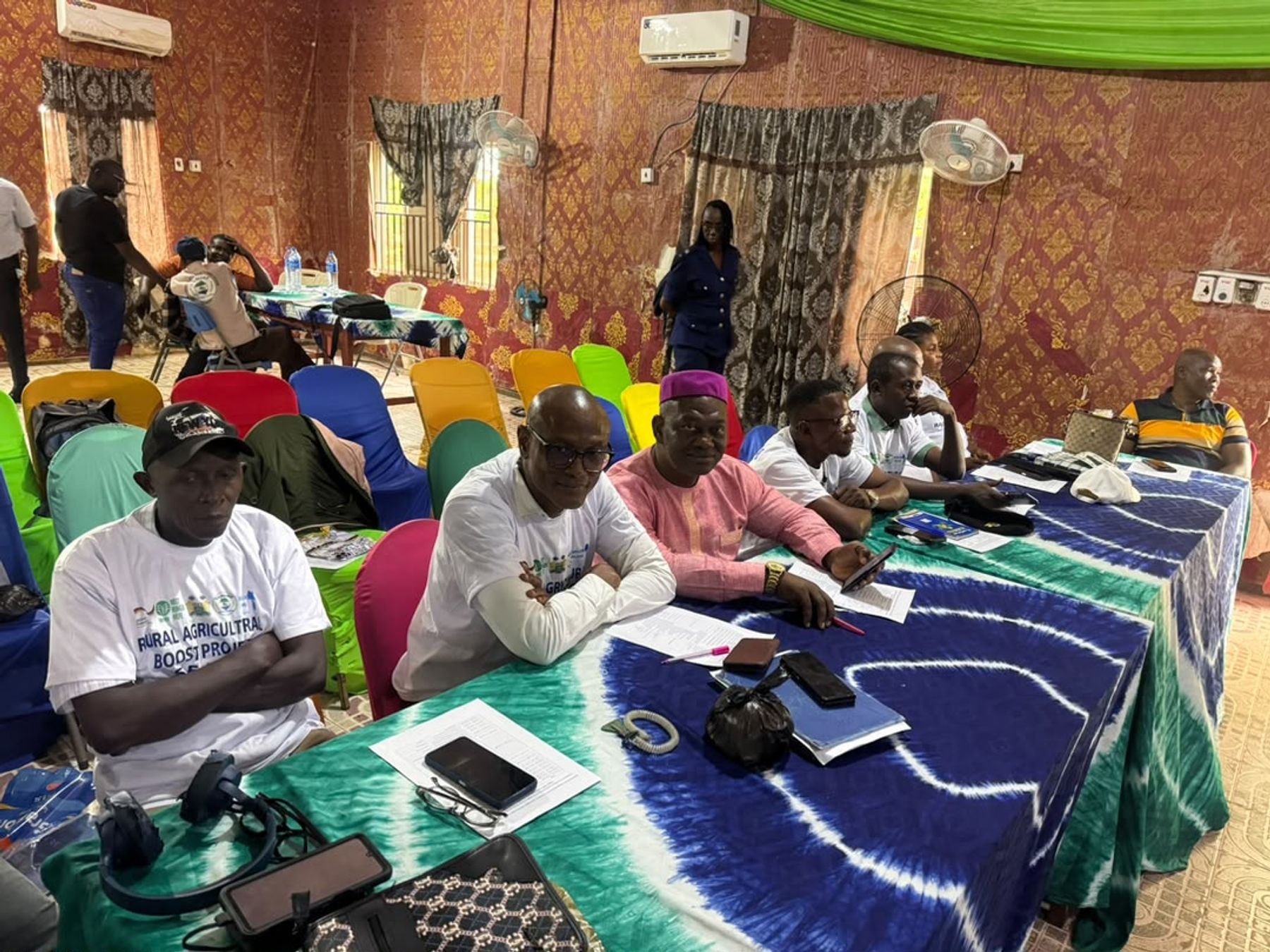
The meeting also created an opportunity to strengthen understanding of issues including customary land rights, responsibilities of land governance institutions, community participation, peaceful dispute resolution, land protection and the importance of inclusive decision-making. For SiLNoRF, this approach reflects the organisation’s commitment to ensuring that communities are not merely recipients of information but active participants in decisions that affect their rights, livelihoods and food security.
Strengthening the RAB Project’s Community-Level Impact
The Moyamba engagement also demonstrates the practical direction of the RAB project, through which SiLNoRF and its partners are working to strengthen community capacity, participation and accountability around issues that directly affect livelihoods and the right to food. The project recognises that land insecurity and unresolved land disputes can undermine farming, discourage investment in agricultural activities, affect community relationships and ultimately threaten household food security. By creating spaces for dialogue between rights-holders and duty-bearers, the project is helping to connect legal awareness with practical community action.
The partnership between SiLNoRF and Well Found Sierra Leone, supported by WHH and BMZ, is therefore important in creating sustained opportunities for communities and institutions to engage around these issues. The support enables local actors to convene stakeholders, strengthen awareness, document community concerns and encourage constructive dialogue around land governance. The engagement in Moyamba is not intended to be a one-off activity. Rather, it forms part of a continuing process through which stakeholders can review concerns, monitor commitments, strengthen coordination and work collectively towards improved land governance.
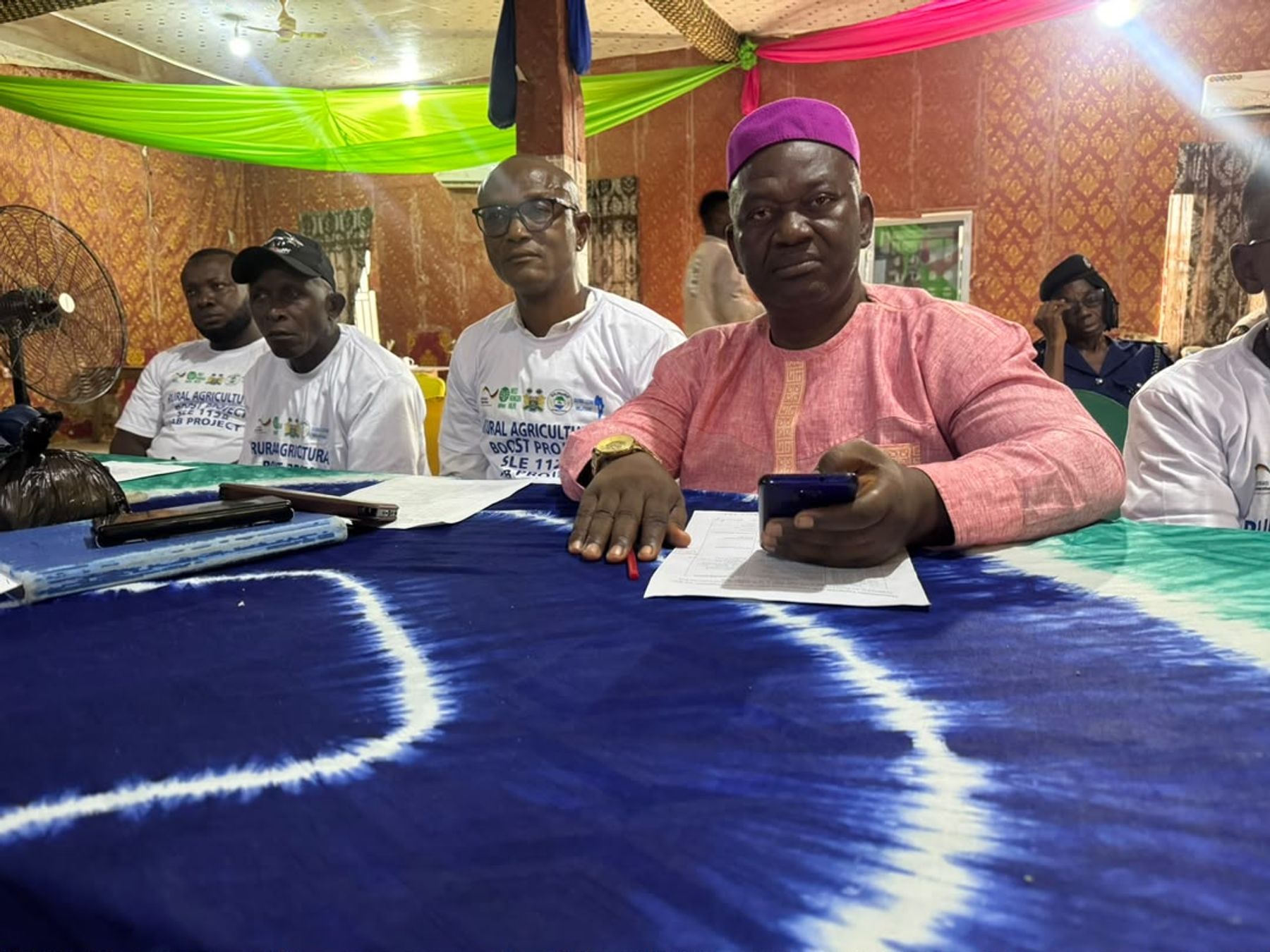
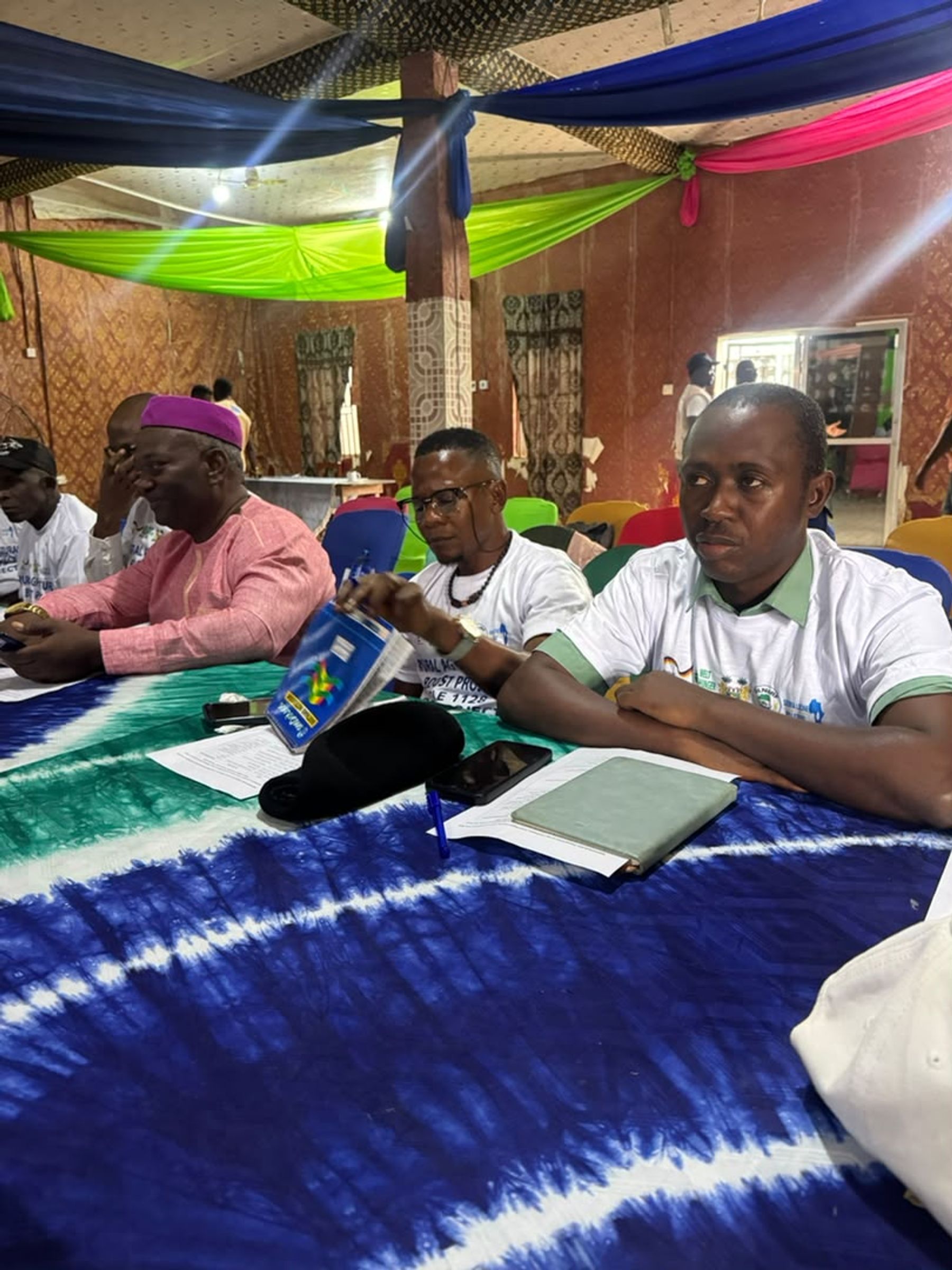
As the discussions concluded, participants left with a stronger understanding of the importance of the 2022 land laws and the need for collective responsibility in their implementation. The meeting also reinforced a central message: peaceful and accountable land governance requires the participation of communities, traditional authorities, government institutions, civil society and other stakeholders working together.
For SiLNoRF, the Moyamba engagement represents another step in advancing its commitment to the right to food, community rights, inclusive participation, accountability and sustainable development. By bringing the law into community conversations and creating space for stakeholders to address real land challenges, the organisation and its partners are helping to strengthen the foundation for communities to access, protect and responsibly manage the land on which their livelihoods and food security depend.
The Moyamba engagement was implemented by the Sierra Leone Network on the Right to Food (SiLNoRF) and Well Found Sierra Leone, with support from Welthungerhilfe (WHH) and funding from the German Federal Ministry for Economic Cooperation and Development (BMZ).
No approved comments yet. Be the first to respond.